

Today’s post comes from Dominic Ong, General Manager for Autonomous Vehicles (AVs) at Grab, Southeast Asia’s leading superapp and one of the region’s largest on-demand mobility players. He has over a decade of experience in the mobility and rideshare domains, across both private and government sectors, and drove the introduction of some of Singapore’s first autonomous vehicles.
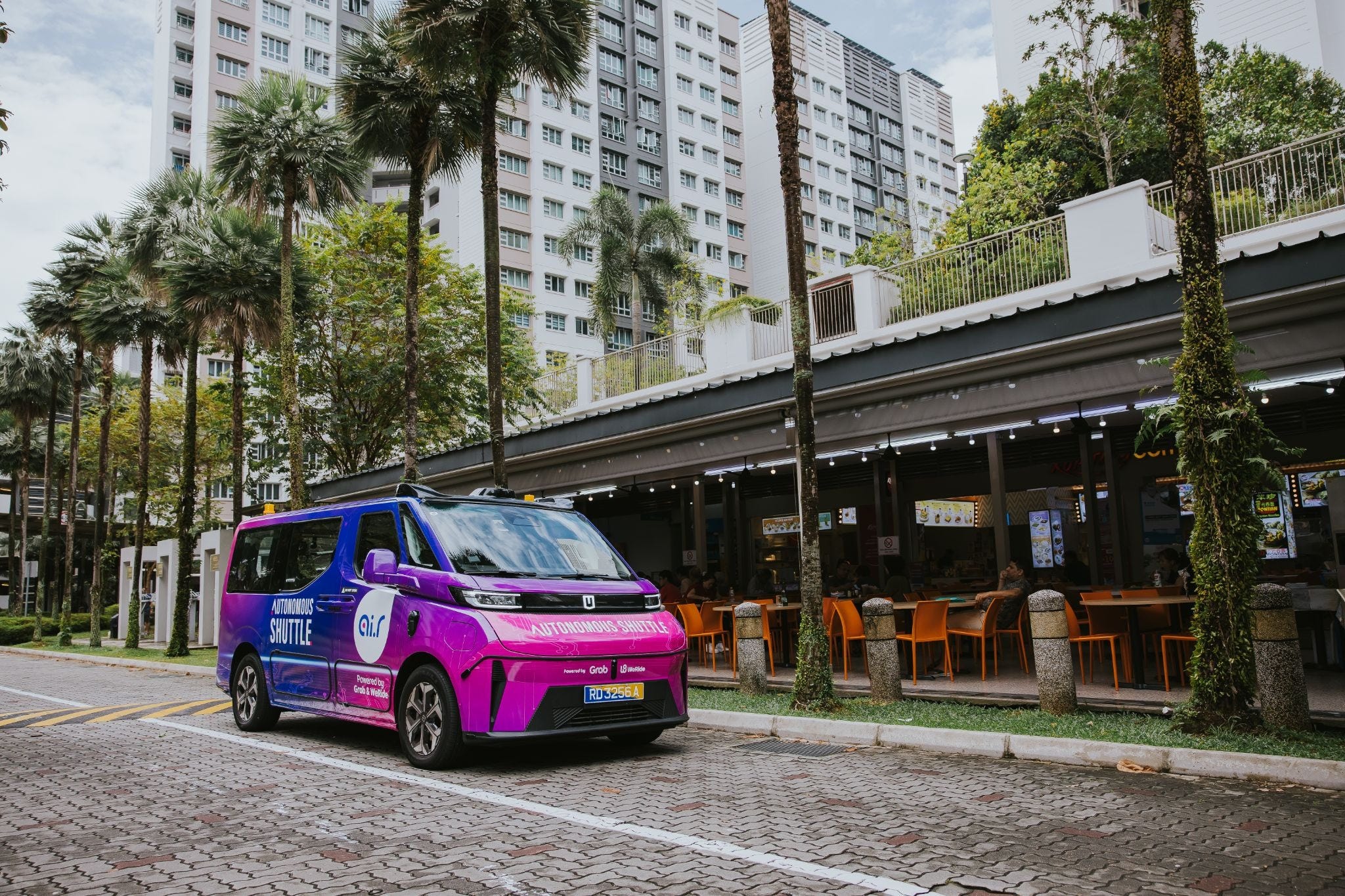
Today, the autonomous vehicle industry has an established model for how adoption unfolds. Deploy in a geo-fenced suburb. Improve the operator-to-vehicle ratio. Ride the unit economics down the curve. Reach parity with human drivers. Scale until the robot wins.
And it seems to be working. Waymo proved it in Phoenix, San Francisco and Los Angeles. Baidu is proving it in Wuhan. Investors are pricing in its replication across every major city.
But after a decade of mobility experience in Southeast Asia – including introducing some of the region’s first autonomous vehicles – my view is that this playbook won’t apply here; not because autonomous technology won’t arrive, but because this model was built for conditions that simply don’t exist on our shores. Global ridesharing platforms had already tried and failed to run a one-size-fits-all template here. Now, autonomy faces that gauntlet too.
Fixed Fleets vs Fluid Markets
The global playbook assumes a predictable environment where mobility players gain market share with a standardized fleet of readily deployable vehicles. But Southeast Asian cities demand an elasticity that a fixed autonomous fleet alone cannot provide.
Consider Singapore. During normal peak hours, ride requests can increase up to 4-5x that of quiet hours, according to our 2026 data. Human supply matches this chaos dynamically, with 3-4x more drivers logging on precisely when the city needs them. It’s a remarkably capital-efficient system: human drivers absorb the spikes and log off when things quieten down, rather than idling an expensive asset.
Equatorial weather exacerbates this volatility. Singapore is 12x wetter than Phoenix and 3x wetter than Seattle. Here, torrential rain isn’t an edge case, it is the baseline environment. A single monsoon downpour can spike ride requests 9-10x within ten minutes. This is a bind for a standalone robotaxi fleet. If you build your capacity for the peak monsoon surge, you risk underutilizing cars. And if you build for the quiet average, you fail your riders whenever demand surges around events.
Furthermore, human knowledge is often required to navigate extreme, fast-changing, driving conditions. Flash flooding in megacities – urban metropolises of over 10 million people, like Jakarta, Manila, and Bangkok – can affect routing on short notice, breaking an autonomous vehicle’s Operational Design Domain (ODD) and turning pre-mapped data obsolete. Ride-hailing drivers can better handle unexpected driving conditions, like navigating floodwaters, or even bypassing mosquito-fogging trucks which can confuse vehicle sensors without warning.
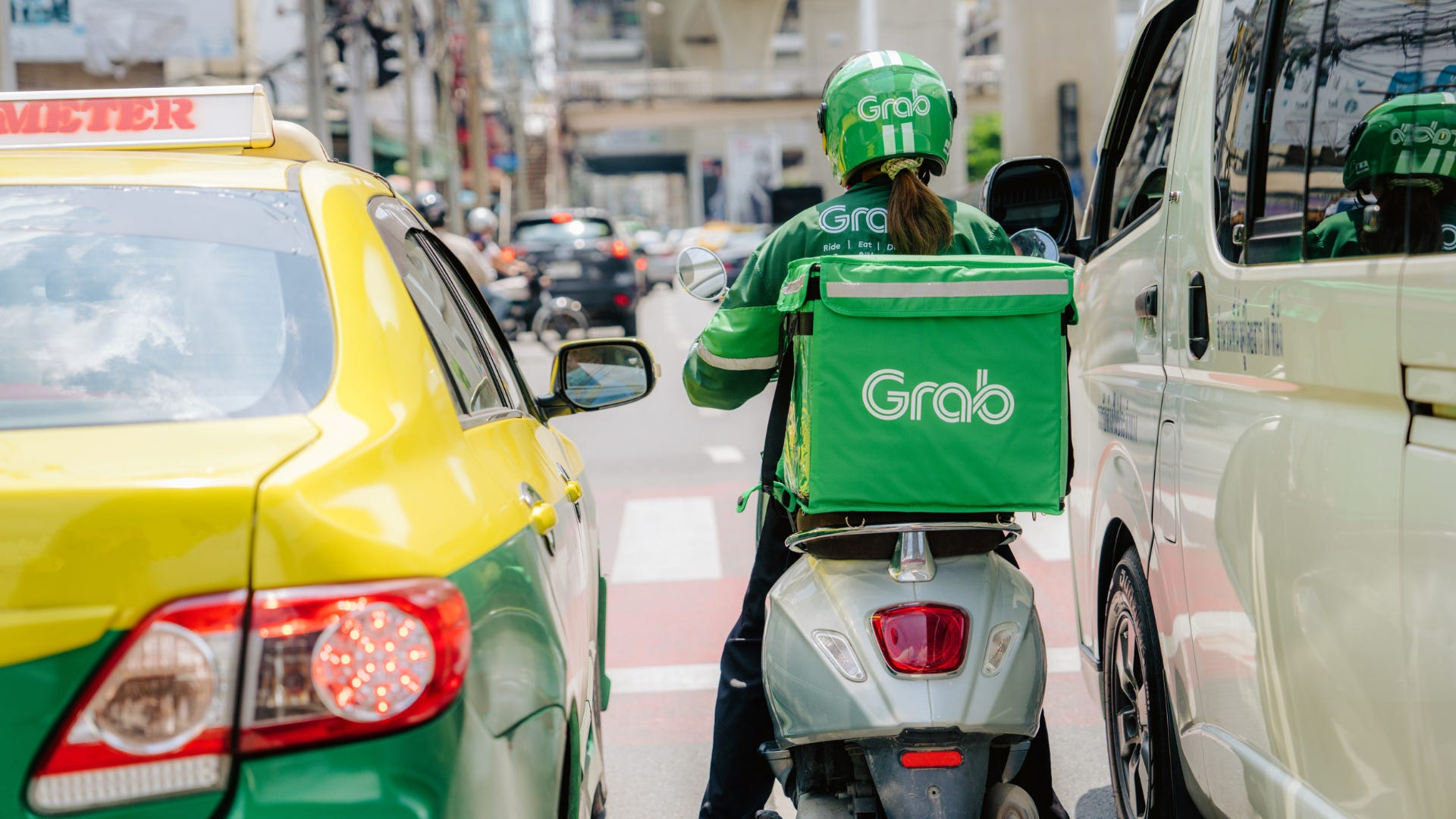
In Southeast Asian cities, the backbone of urban mobility is the two-wheeled motorbike. Millions of commuters rely on these to lane-split through traffic gridlocks where larger vehicles sit paralysed. Because autonomous motorbikes do not yet exist – nor are they coming soon – any global playbook built exclusively around four-wheeled vehicles completely misses how the region actually moves.
And, finally, some transport needs should never be left to a pure autonomous fleet. Wheelchair users need help from door to car. Elderly riders need support while heading alone to hospital appointments. Or, imagine a family of five with a stroller and seven bags at Changi Airport. Some trips will always require a person, not just a vehicle.
This is why a hybrid model – autonomous vehicles paired with a flexible human network – is the steady-state model for Southeast Asia. Here, the autonomous playbook cannot be about replacing human supply; it must be about the orchestration layer that unites them.
The Winning Formula Is About Orchestration
When an operating environment is defined by radical fluidity, the competitive advantage belongs to the platform that can coordinate the chaos.
This begins with predictive marketplace intelligence. Even in structured Western markets, early data shows that plugging autonomous vehicles into an established marketplace can deliver more trips per vehicle per day than running them standalone. That’s because these platforms already know where demand pools and how to route into it. After many years of operations, regional mobility incumbents like Grab have accumulated an irreplaceable operational memory. A platform with scale and hyperlocal operating data doesn’t just react to live traffic; its routing infrastructure anticipates these shifts. Global AV providers can plug into these local networks and get an efficient fleet from day one.
Multi-service flexibility will also be important to optimize supply elasticity. An autonomous vehicle fleet can manage predictable volumes, while human drivers can work across services, from delivering food during the lunch lull to carrying passengers in the evening rush. Being able to orchestrate a hybrid fleet across different services will best maximize utilization across the entire network.
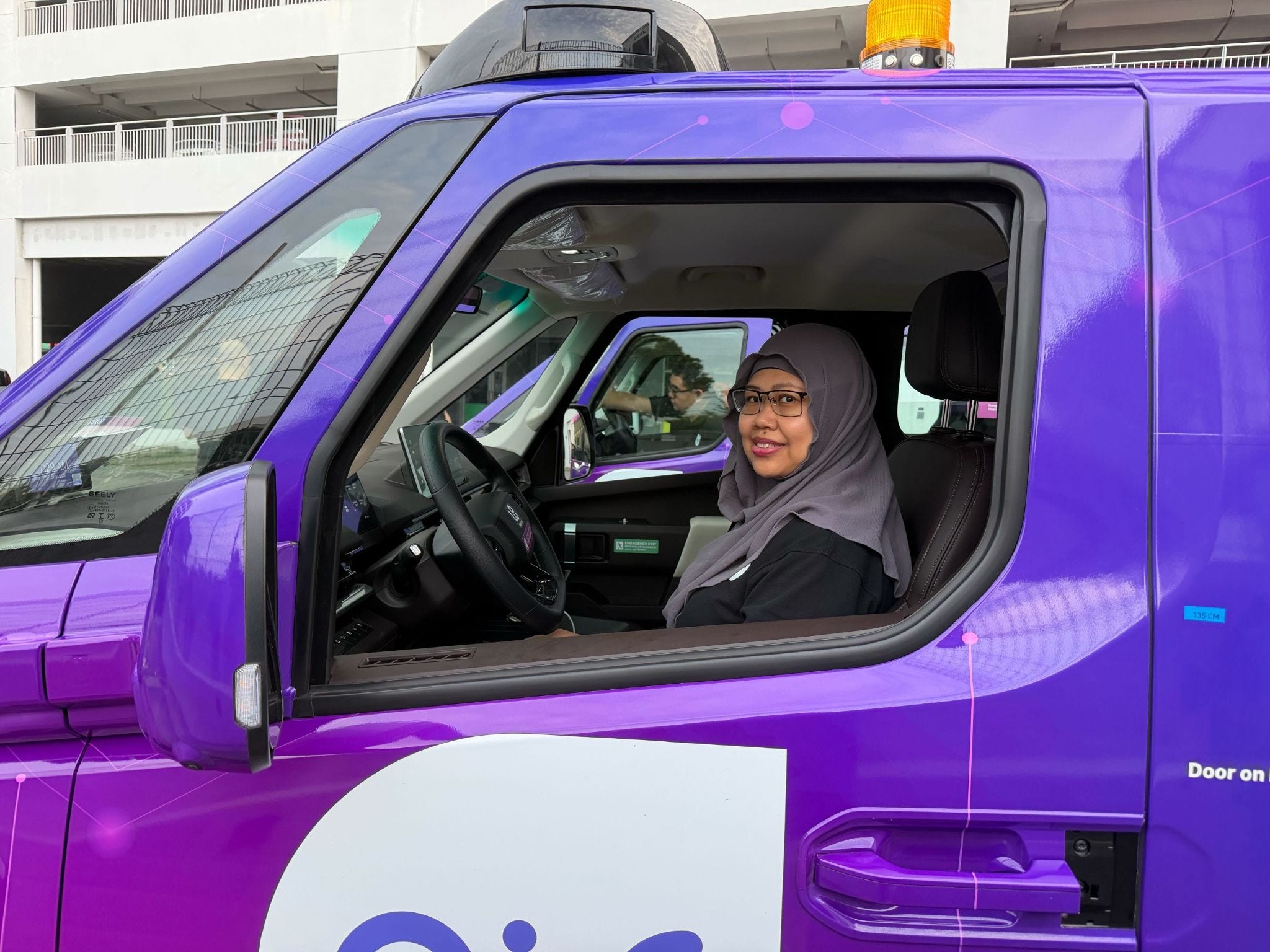
Furthermore, real scale means being tightly woven into the local economy. In Southeast Asia, ride-hailing is a primary income source for millions of people everyday. Their economic stability is a priority for every government here. And government permission – the slowest asset to build, and the easiest to lose – is earned by doing right by citizens, drivers and cities over many years. So, a mature AV strategy has to drive a deliberate transition that works with and for local gig workers. This includes preparing them for specialist AV roles – including fleet operations and depot management roles, like safety and remote operators. By integrating these citizens into the backbone of deployment, you turn potential public friction into real operating strength.
Rewriting The Global Playbook
The prize for the next generation of mobility belongs to platforms that run the orchestration layer autonomous vehicles need to locally work in.
The dense, informal, chaotic, reality of Southeast Asian cities is arguably more of a global rule – closer to the conditions of Lagos, São Paulo, and Mumbai, than outliers of urbanization like Phoenix. By building a marketplace that masters these conditions, you aren’t just solving for one region. You’re building a hybrid model that could eventually determine how autonomy scales across much of the world.
So, to me, the common question: “When will Southeast Asia be ready for autonomous vehicles?” is backwards. The real question is whether the autonomous vehicle industry is ready to be changed by the operating realities of regions like Southeast Asia. It is critical for platforms to lean into local and cultural complexities to translate the promise of autonomy into practical, real-world mobility.