

Most autonomous vehicle companies are focused on solving transportation.
PIX Moving is looking to redefine what transportation is.
The Chinese autonomous robotics company has spent over a decade developing a radically different vision of driverless vehicles, one where the removal of the steering wheel does more than eliminate the driver. It fundamentally changes the purpose of the vehicle itself.
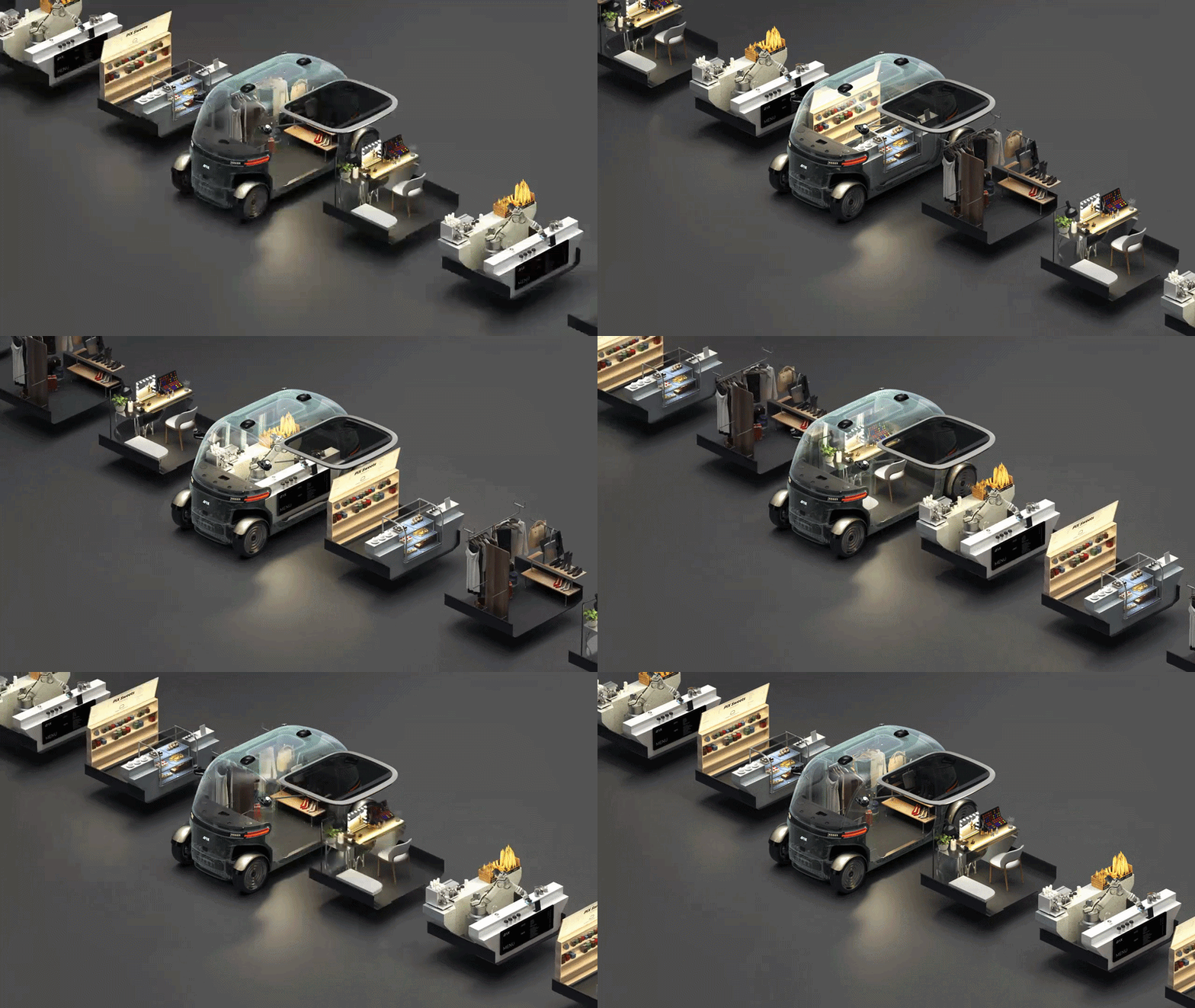
Instead of treating autonomous vehicles as a more efficient way of getting from A to B, PIX sees them as flexible, human-centred spaces that can adapt to different needs, whether as a shuttle, workspace, café, retail store or even a mobile classroom.
The company calls this concept “moving spaces”.
It is a philosophy rooted in the background of founder Angelo Yu, whose experience spans architecture and engineering rather than traditional automotive design.
“Is mobility only about moving people from A to B, or is it about how people and cities relate to one another?” Yu has said. “I started PIX to rethink mobility not just as transportation, but as a human-city interface.”
Founded in 2013, PIX has grown into a full-stack autonomous mobility company, developing its own vehicles, software and autonomous systems. It now operates approximately 200 autonomous vehicles globally. For comparison, Zoox, which is owned by Amazon, has about 100 active vehicles on the streets.
As PIX expands into Europe, I spoke with Alexandru Vasiliu, Managing Director for Europe, about purpose-driven mobility, autonomous tourism and why travel time may soon matter more than transit itself.
The RoboBus
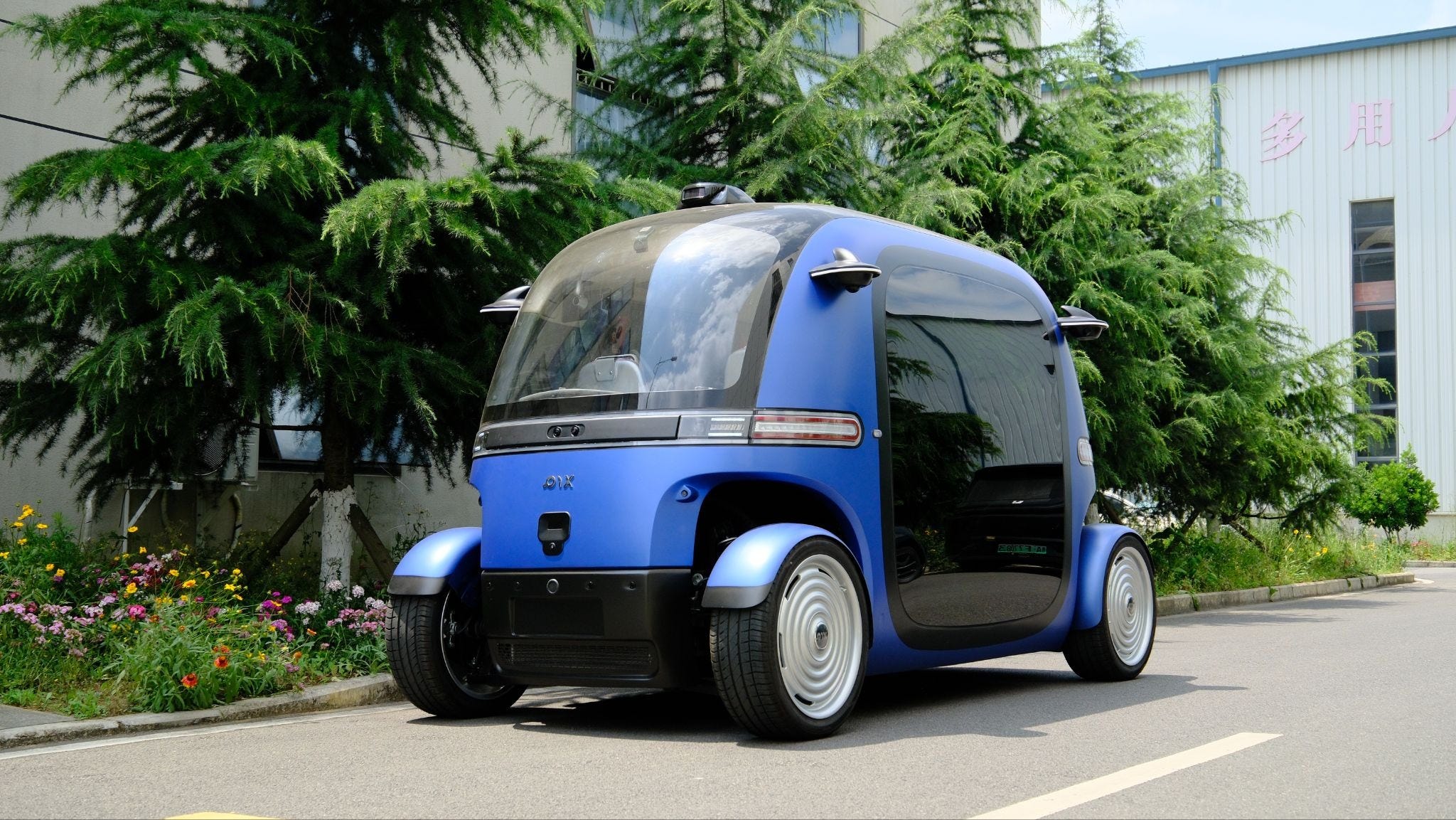
PIX’s flagship vehicle is the RoboBus, an autonomous shuttle designed for first and last mile and community transportation.
Carrying up to six occupants, with one safety supervisor on board, it travels at speeds of up to 35 km/h (21 mph) and is designed for Level 4 autonomy. There is no steering wheel or driver’s seat. Instead, the interior resembles something closer to a moving lounge than a conventional vehicle.
Passengers sit opposite each other in an airy, panoramic cabin filled with natural light. Large windows maximise visibility while digital displays provide route information, rear camera views and advertising opportunities.
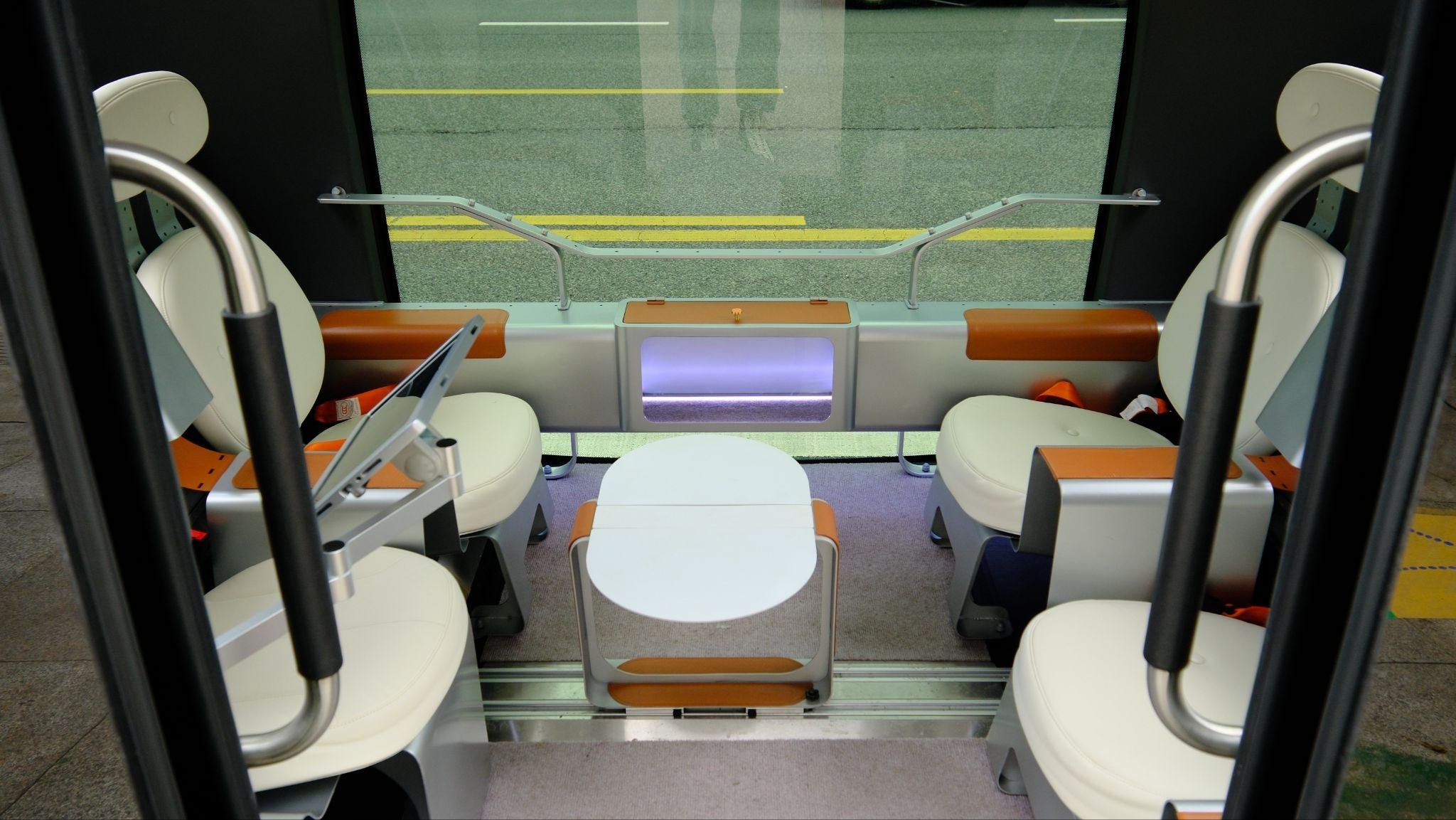
Vasiliu compares the experience to travelling in a gondola.
“When I first rode it in China, I felt like I was on a cable car,” he told The Driverless Digest. “You’re moving through traffic but there’s no stress, no sudden braking, no worries. You simply enjoy the surroundings.”
That experience reflects PIX’s broader question: what happens when the steering wheel is no longer central to vehicle design?
“Level 4 autonomy fundamentally changes the way we think about interiors,” Vasiliu says. “A vehicle can now serve as a shuttle, workspace, logistics platform or hospitality venue. The mission defines the architecture.”
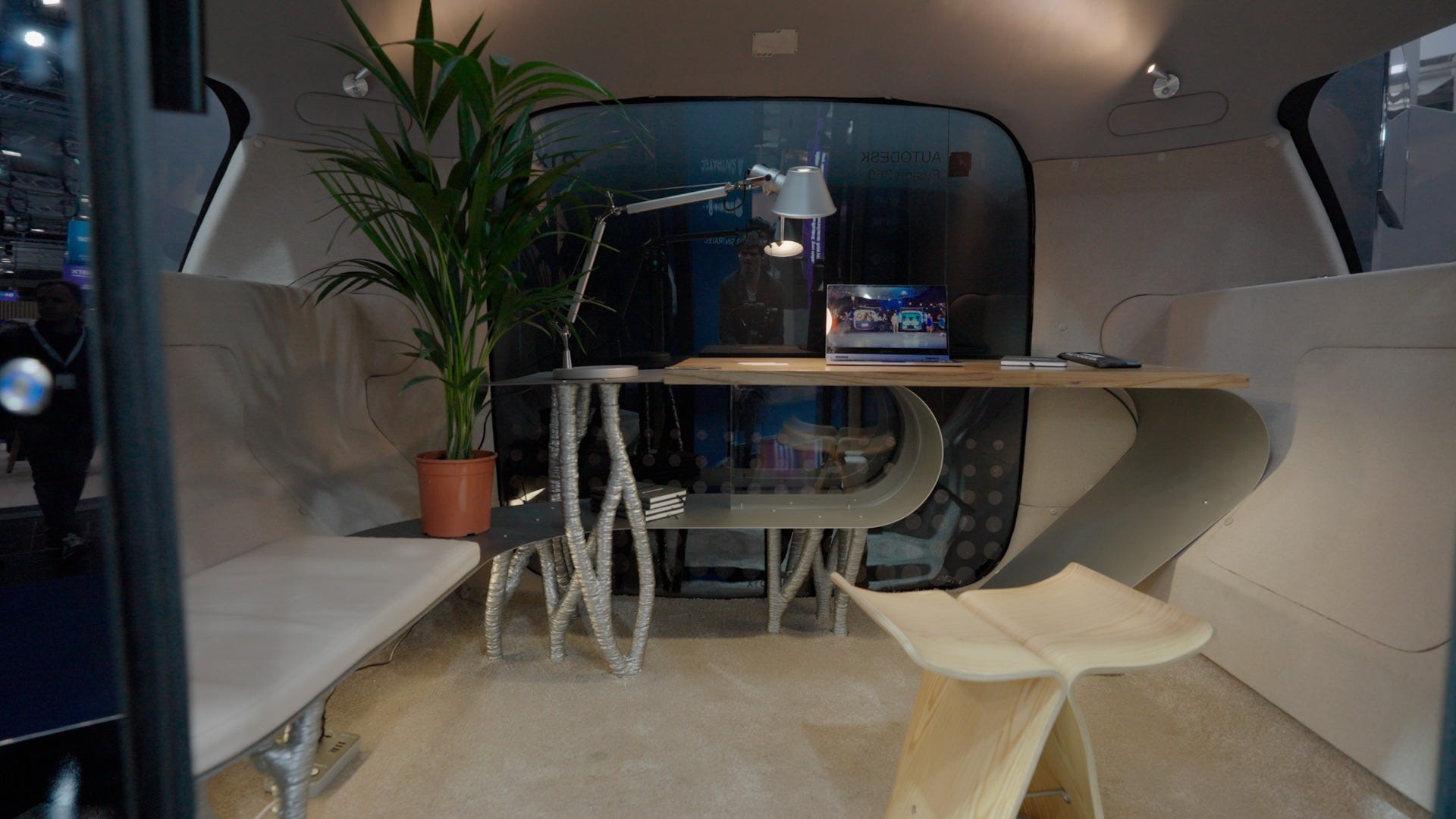
The RoboBus represents one expression of this design philosophy.
Another is RoboShop, an electric, autonomous-ready retail vehicle that can function as a café, pop-up store, exhibition space or cultural venue depending on community needs.
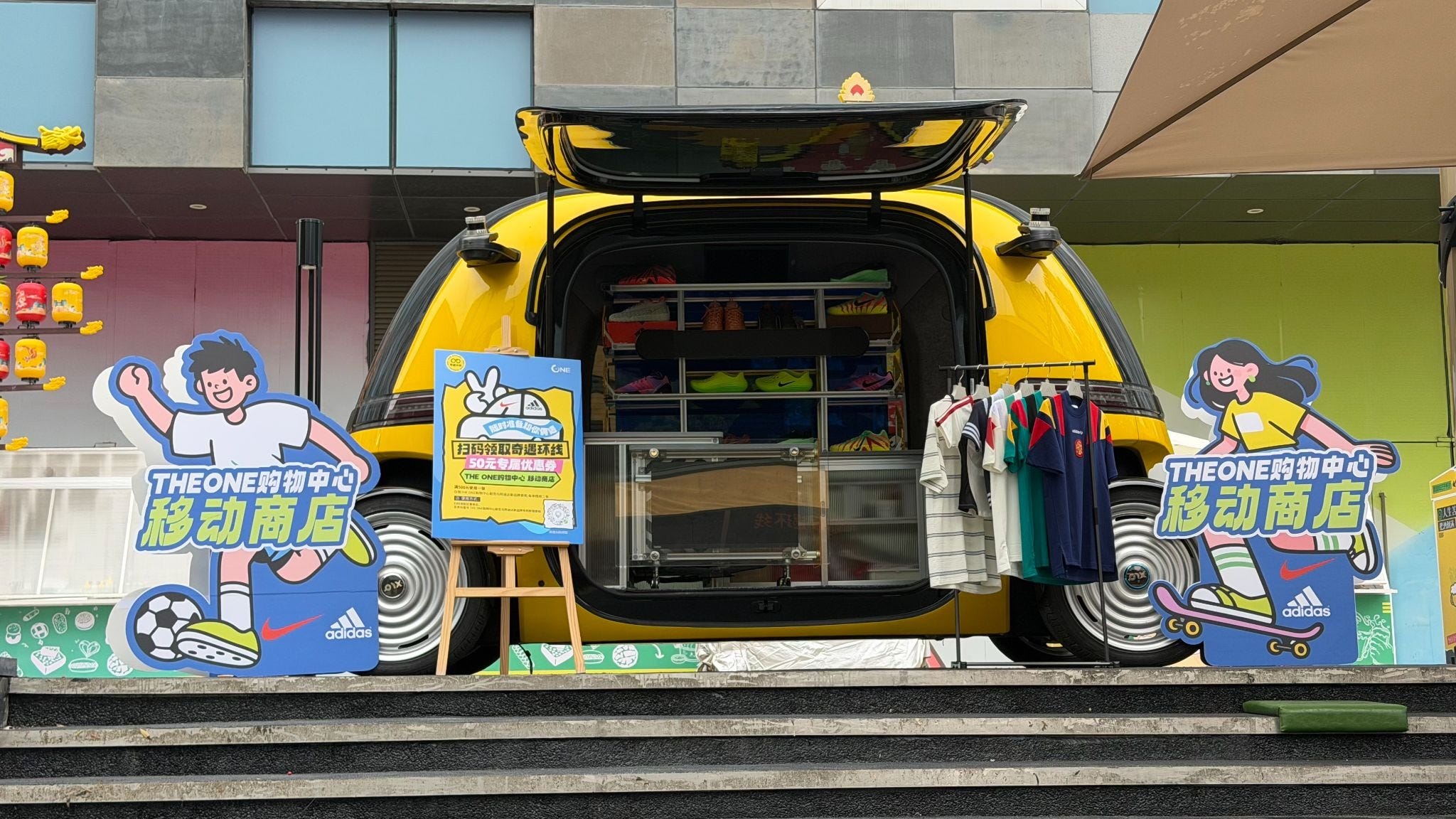
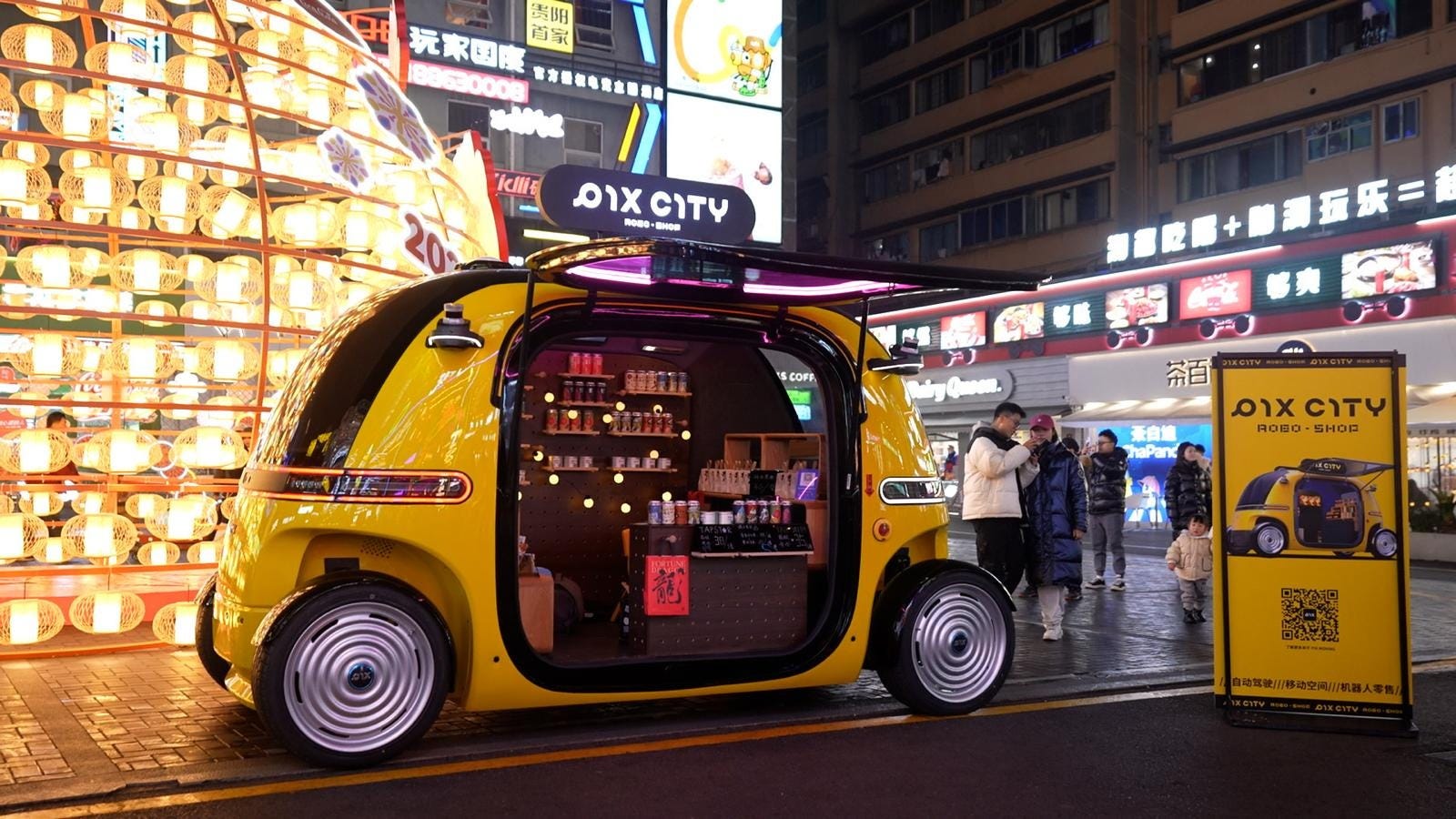
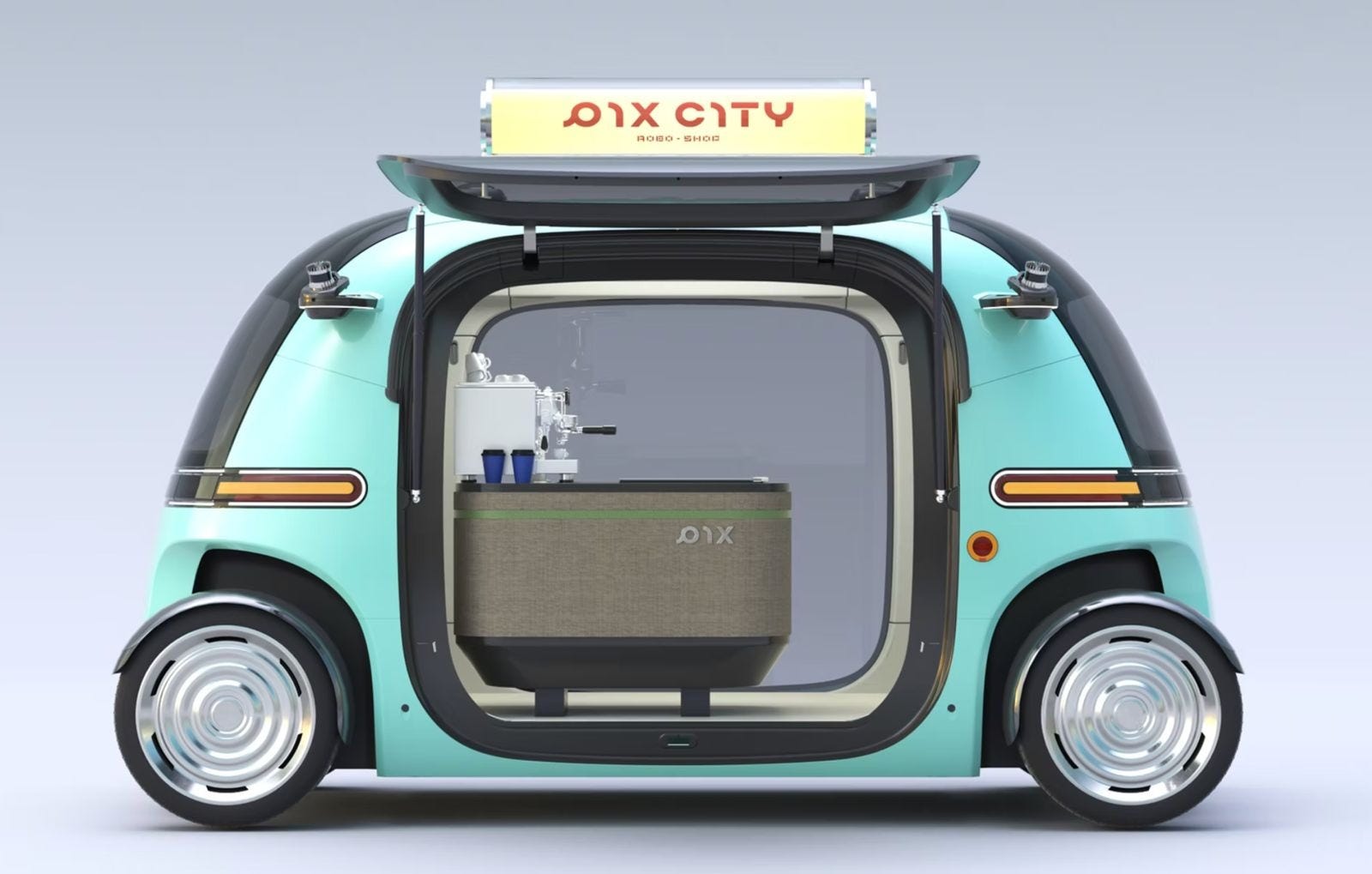
Both vehicles are built on PIX’s modular skateboard platform, allowing multiple form factors to be developed from the same autonomous foundation.
“The future cabin is not a fixed environment,” Vasiliu says. “It is a programmable space.”
Reinventing city exploration
PIX believes tourism could become one of autonomy’s most compelling applications.
In Guiyang, China, PIX runs its largest deployment where a fleet of RoboBuses operate on a “WunderLoop” through the city centre.
Locals have given the vehicles a nickname: the “Potato Bus”.
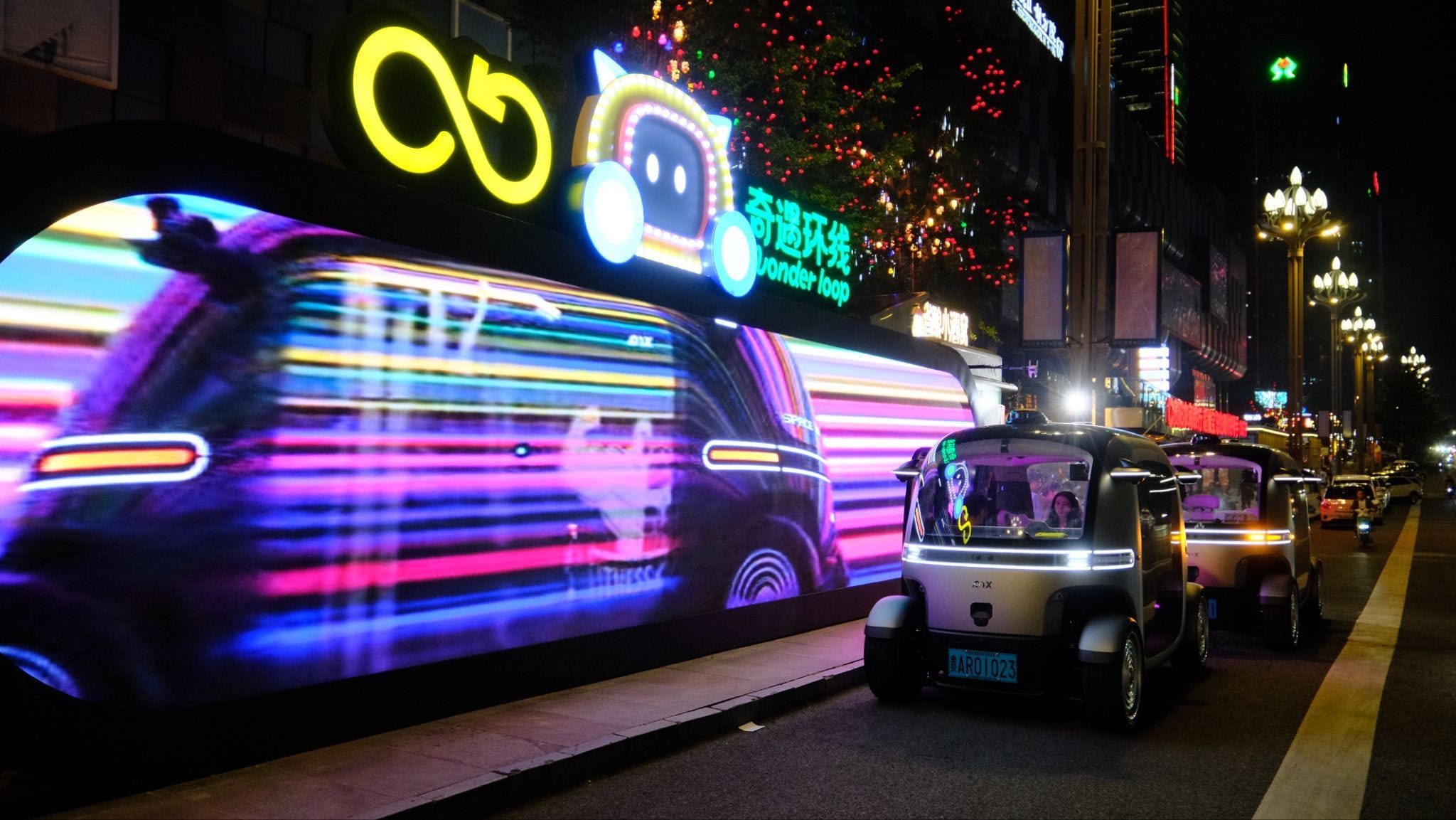
The WonderLoop service is designed to transform sightseeing into an immersive autonomous experience, transporting visitors around key landmarks on fixed circular routes.
The experience combines mobility, tourism and digital storytelling in a way that feels fundamentally different from traditional public transport.
PIX envisions future deployments where generative AI acts as a personalised guide, automatically delivering information about museums, restaurants and cultural sites as passengers pass them.
Building a European base
While China is PIX’s most mature market, Europe is rapidly becoming a strategic priority.
The company’s most significant European project is at the Politehnica University of Bucharest where the campus effectively functions as a miniature city, complete with multiple lanes, intersections, couriers, kindergartens and public spaces.
“It’s the perfect sandbox for Europe,” says Vasiliu.
PIX is deploying RoboBus services across the site while also establishing what could become one of Europe’s first dedicated autonomous mobility labs, providing students and researchers with access to its autonomous technology.
“We want to create the first laboratory for autonomous studies in Eastern Europe,” Vasiliu says.
Germany is another key focus, with public demonstrations in Chemnitz transporting officials as part of ongoing homologation and pilot programmes.
Looking ahead
PIX aims to double its deployed fleet from 200 to 400 vehicles by year-end.
Europe is expected to play a major role in that growth, with multiple pilot projects and commercial deployments currently under development.
The broader question PIX poses is an intriguing one. If travel time no longer requires our attention, what should we do with it instead?
PIX believes the answer lies not in transportation, but in experience.
If the company succeeds, future vehicles may look less like cars and more like programmable spaces designed around how people want to live.