

On Saturday night, I spotted a new Waymo feature in the app here in Los Angeles that lets riders pay an additional fee to delay pickup by two minutes.
Waymo has long had relatively strict pickup policies, including a $4.99 cancellation or no-show fee (plus tax). But this appears to be the first time I’ve seen the company explicitly monetize extra pickup wait time.
The feature appeared as the pickup countdown clock was close to expiring and I was about to be charged a cancellation fee.
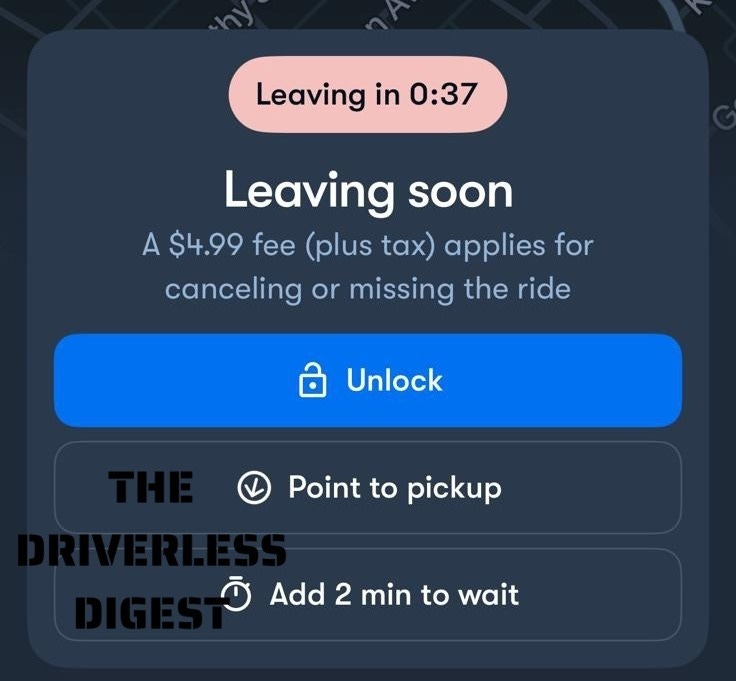
In this instance, I was actually running a bit behind, so I opted to add the extra two minutes. Waymo then offered me the option to pay $2.50 for additional wait time before the vehicle departed.
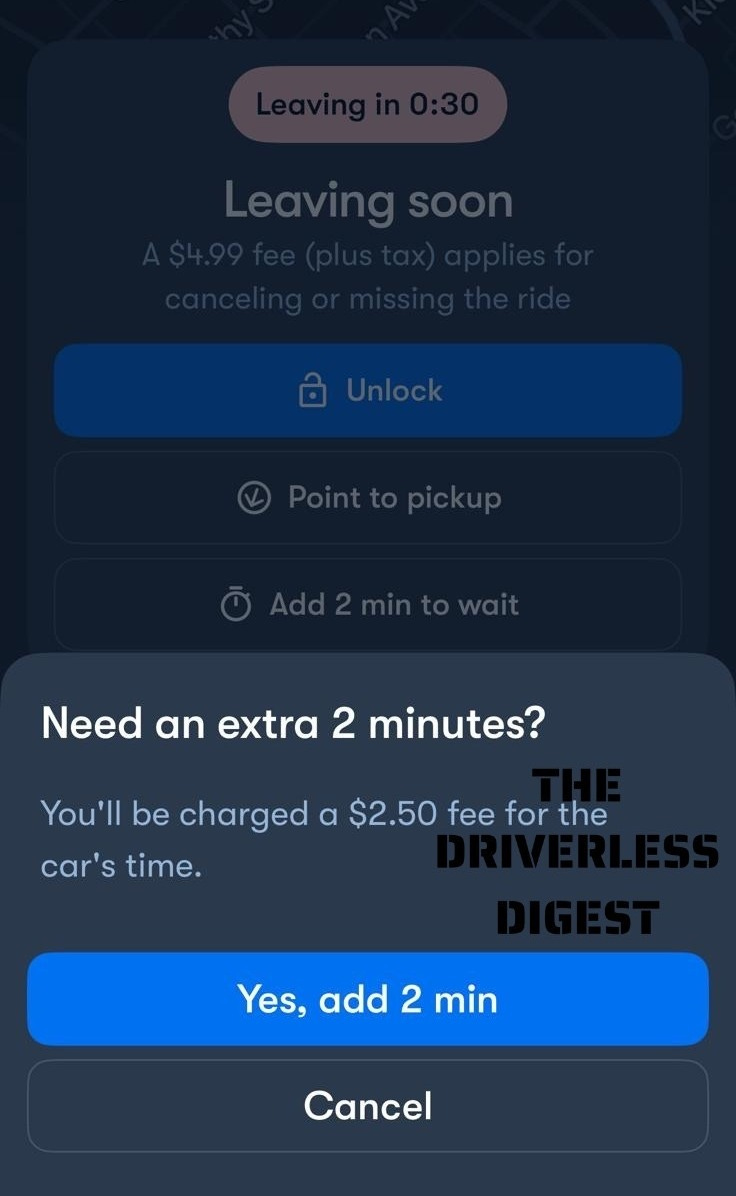
At first glance, this may seem like a minor user interface update. But small product changes often reveal larger operational priorities.
As Waymo scales to hundreds of thousands of weekly rides and expands into new cities, fleet utilization becomes increasingly important. Every extra minute spent waiting for riders is time a vehicle could potentially be serving another trip.
The fare for this trip was $34.45 to go 7.64 miles over 18 minutes, or about $1.91 per minute. By comparison, the ‘snooze fee’ worked out to $1.25 per minute for additional wait time, without Waymo putting extra miles on the vehicle. It’s a small sample size, but suggests Waymo may already be assigning meaningful economic value to idle vehicle time.
Uber and Lyft have similar waiting time policies and typically begin charging riders per minute after the first 2 minutes, though the rates tend to be fairly low and vary by city. That’s one reason many drivers are eager for riders to come outside quickly, as extended waiting time is often poorly compensated.
On cancellations, Uber and Lyft are generally less strict since drivers have discretion over whether to wait longer or cancel after 5 minutes. Waymo removes much of that flexibility, with countdown timers and fees enforced directly through the app.
There may also be another incentive at play. While Waymo charges a $4.99 cancellation or no-show fee, the company likely doesn’t actually want riders to miss their trips. Preserving an existing ride with a $2.50 extension may be more valuable than collecting a cancellation fee, then repositioning the vehicle and waiting to match with another rider.
In that sense, the feature may function less as a penalty and more as a way to improve trip completion rates while keeping vehicles utilized.
I haven’t seen this feature discussed publicly, so it’s unclear whether this is a limited test in Los Angeles, a broader rollout, or something tied to specific demand conditions. But if this feature expands, it may offer an early glimpse into how autonomous ridehail platforms think about balancing customer experience, trip completion rates, and fleet utilization.
If you’ve seen this feature in your market, let me know. I reached out to Waymo for more information, but haven’t heard back yet.
Hacks to Delay
Now of course, if you want to save the $2.50 altogether, you’ve got a few options. The tried and true method of moving your pick-up location around before the vehicle arrives still works. And on Saturday night, I also noticed that you can use the ‘pull ahead’ feature once the vehicle has arrived to give you a few extra seconds. And then of course, if you’re really in a pinch, just open the trunk and the Waymo has to wait for you :)
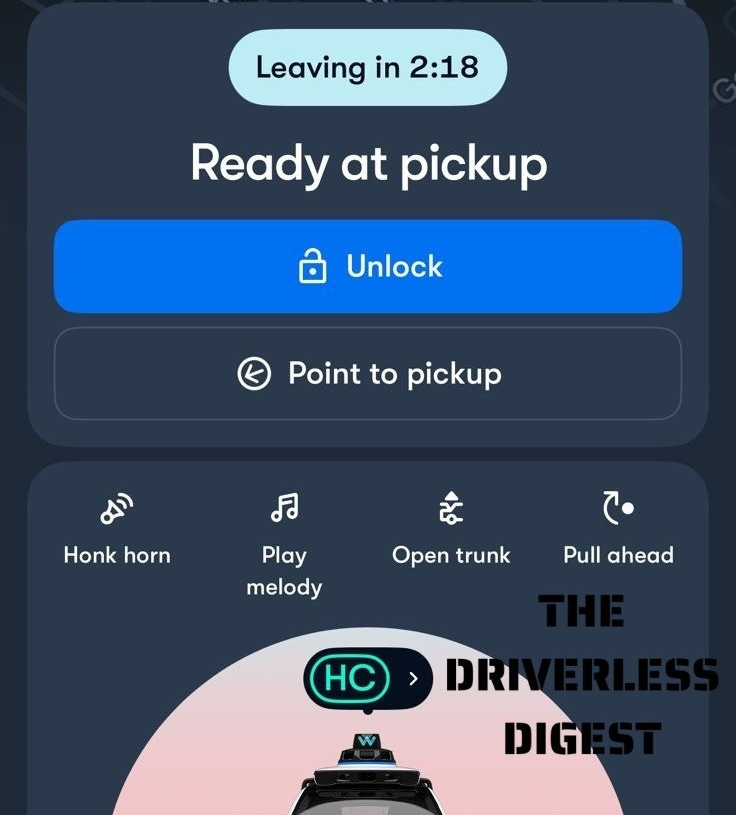
Any other hacks or tricks that I’m missing?
-Harry
Hahaha the free extra time tips are great. I’ll have to keep those in the back pocket.
There is likely not a better company at optimizing processes than Alphabet. This is all about squeezing out more of the 1440 minutes in the day per car to improve unit economics. The new Zeekr CM1e should be able to extract 2-3 more rides per day. Simply better battery economics and no answer in the US market that is comparable for now.