

This week’s edition is brought to you by Terawatt – purpose-built charging for autonomous vehicle fleets.
Top Stories of the Week
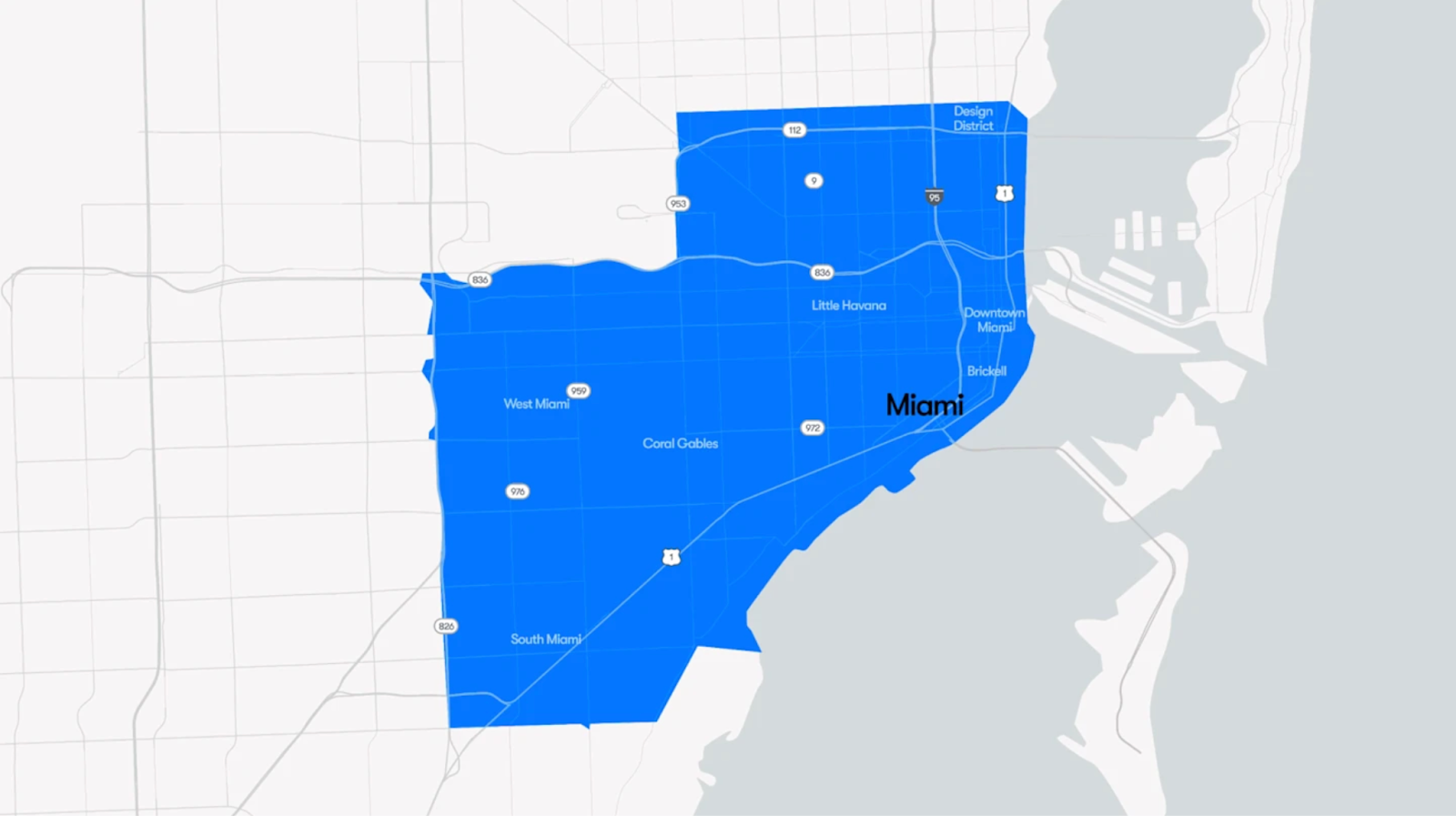
Waymo has launched a limited driverless robotaxi service in Miami (link), offering rides to a small group of users who signed up for early access, with plans to expand invitations more broadly over time.
The initial service area covers roughly 60 square miles and includes several of the city’s best known neighborhoods, including Design District, Wynwood, Brickell, and Coral Gables. Miami International Airport is expected to be added in a future phase.
As in Phoenix, Waymo’s Miami fleet will be managed by Moove. Here is what CEO Ming Maa had to say about the launch (link).
Waymo is now live in six US cities: Phoenix (via Waymo One and Uber), San Francisco, Los Angeles, Austin (via Uber), Atlanta (via Uber), and Miami.
They’re also validating and testing in 20 more US cities, including Dallas, Houston, San Antonio, Orlando, Washington DC, Nashville, Las Vegas, San Diego, Detroit, New Orleans, NYC, Buffalo, Philadelphia, Boston, Denver, Seattle, Baltimore, St. Louis, Pittsburgh, Tampa, and Minneapolis.
Other Stuff
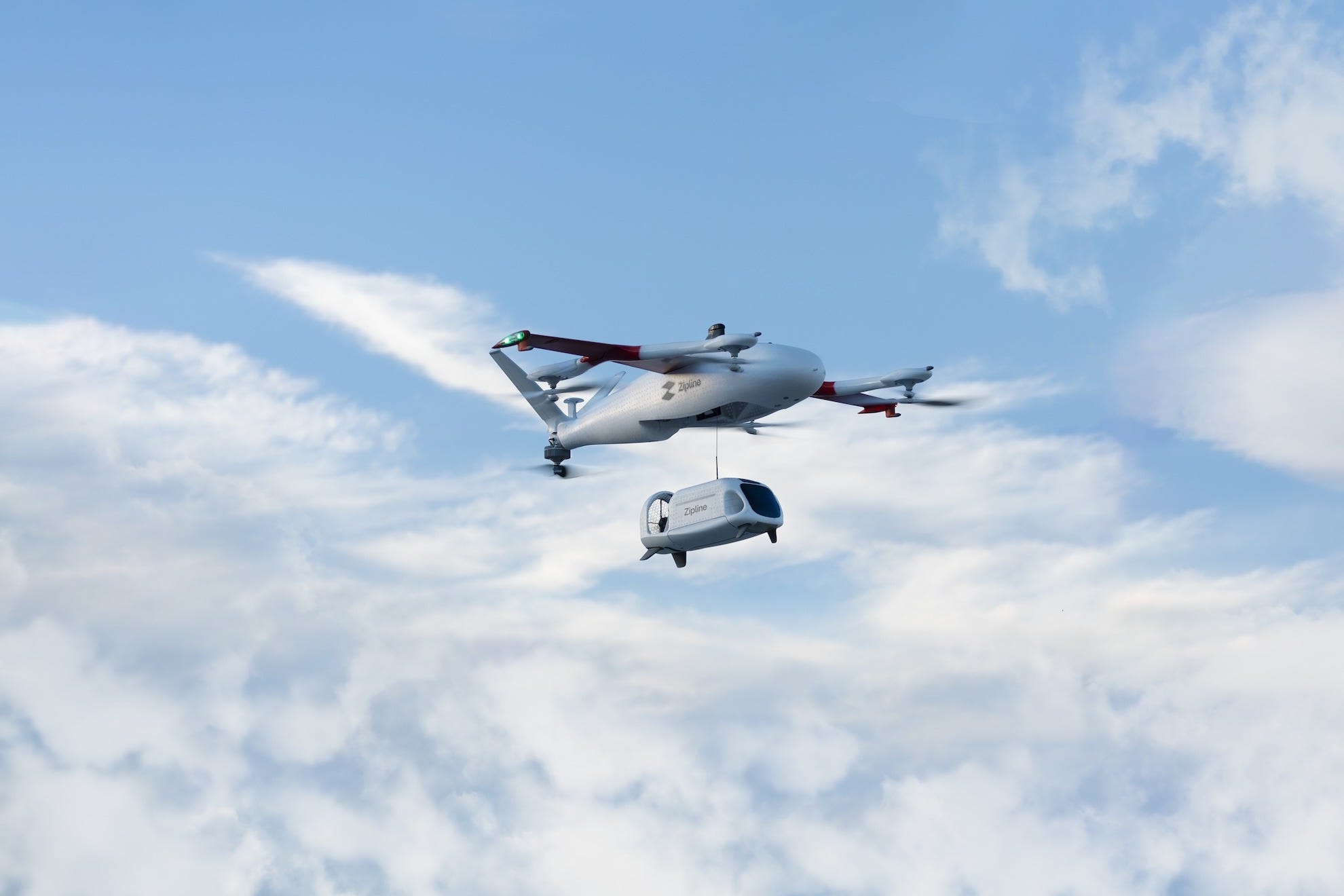
Zipline charts drone delivery expansion with $600M in new funding (link). The company says the new funding will power its next phase of growth, including planned launches of autonomous drone delivery services in Houston and Phoenix later this year. The round values the company at $7.6 billion, and Zipline expects to expand into at least four additional U.S. states in 2026 as it continues to scale its delivery network.
Co-founder and CEO Keller Cliffton views 2026 as the company’s breakout year.
Autonomous logistics has been maturing for more than a decade, and the last year has made it unmistakably clear that when deliveries are faster, cleaner, safer, and cheaper, demand isn’t just high, it grows exponentially. In 2026 autonomous logistics will become an everyday staple for people across several states in the U.S. That transformation starts with Houston and my home town of Phoenix, which we’ll begin serving early this year, and then expand to even more places across the country throughout the year.
Zipline faces competition from other drone delivery players including Flytrex, DroneUp, Amazon Prime Air, and Wing, which has partnered with Walmart.
Tesla Robotaxi rides without any safety monitors are now publicly available in Austin (link). Although there does appear to be a human driven chase car following behind (link). Tesla shares jumped 4% on the news while Uber and Lyft’s shares were down 3%.
The Waymo Driver is beginning employee testing at Dallas Love Field Airport and San Antonio International Airport (link).
Autonomous Rideshare Economics: Stress-Testing the Model (link). This model by Thomas Reiner is an interactive, bottoms-up unit economics framework for autonomous rideshare (robotaxi) operations. It allows users to stress-test assumptions around costs, utilization, pricing, 1P vs. 3P structures, fleet management, and financing in order to evaluate when the business case for driverless rides actually closes.
Related: Autonomy Isn’t the Bottleneck Anymore. Infrastructure Is (link).
Tesla Expands Cybercab Road Testing to Five US States (link). They’ve expanded public road testing of the fully autonomous Cybercab robotaxi to five U.S. states—California, Texas, New York, Illinois, and Massachusetts—ahead of production starting in April. The testing fleet currently includes around ten vehicles, equipped with steering wheels and pedals, and is expected to grow rapidly in the coming months.
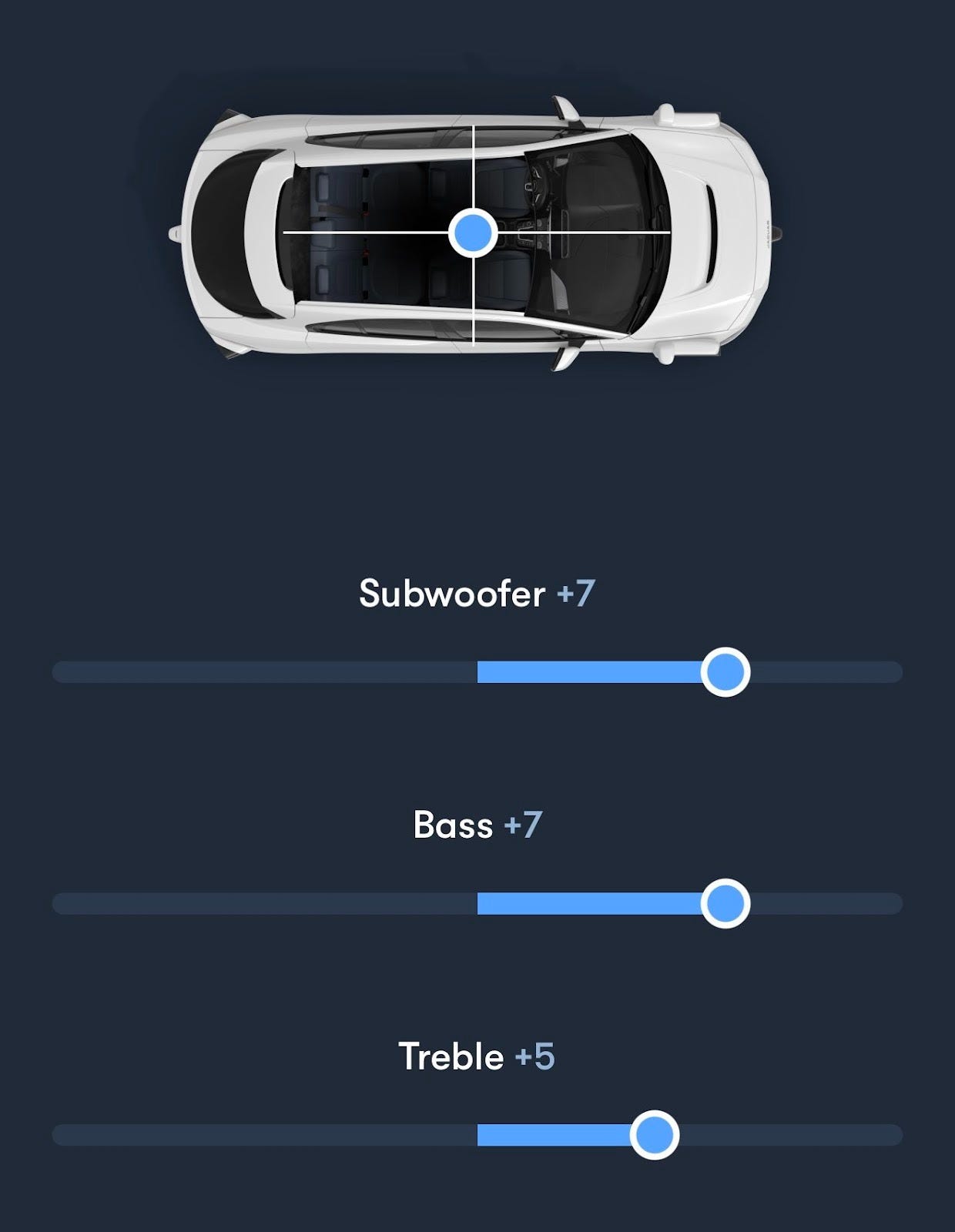
Based Waymo (link). A reminder that you can personalize Waymo’s sound equalization settings. What other products/features would you like to see Waymo launch in 2026?
Winter creates a problem most AV developers underestimate: sensor degradation (link).
Parents are letting teens ride in Waymos without an adult. That poses a dilemma for the company (link, no paywall).
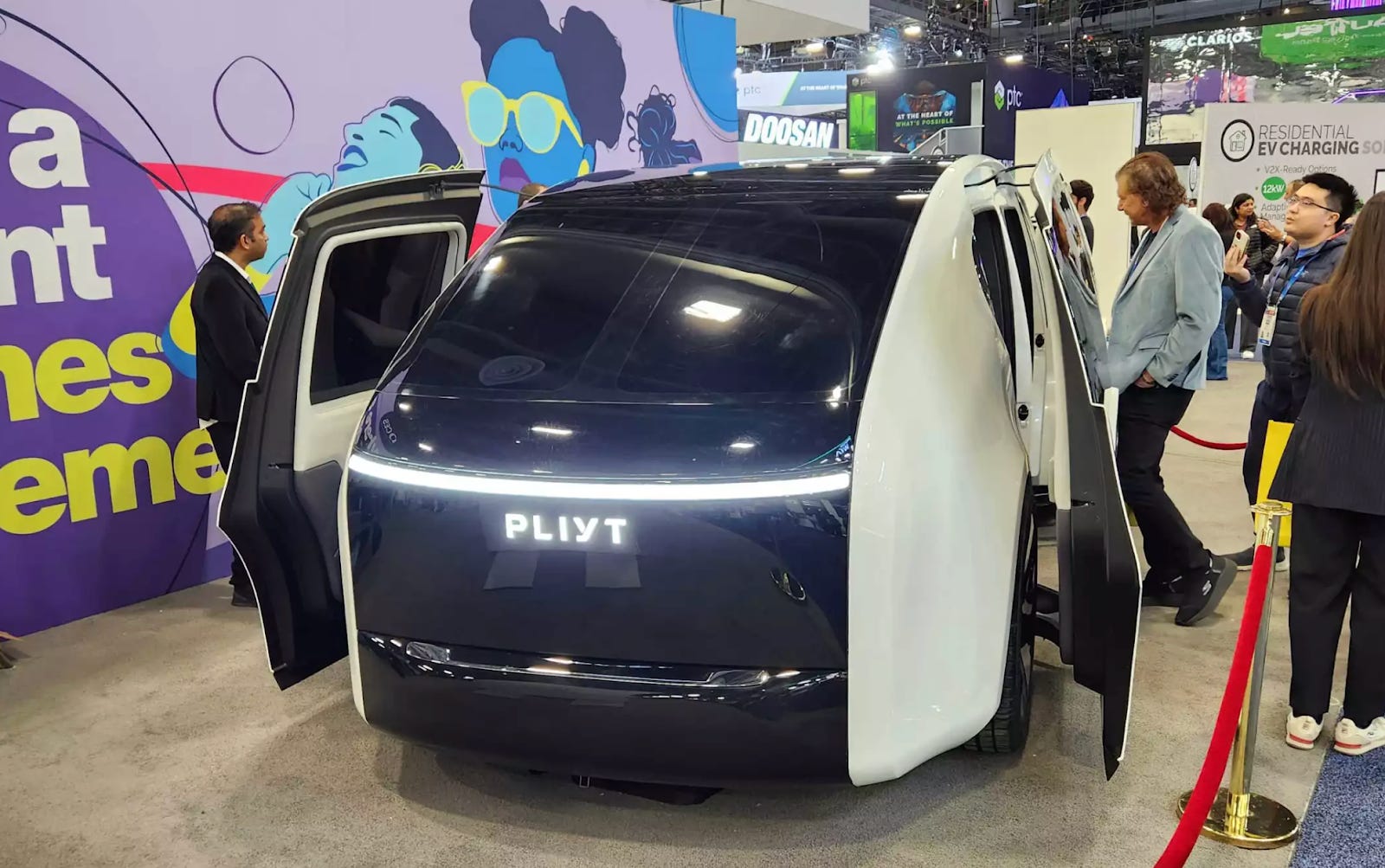
Rideshare without sharing in this autonomous taxi (link). Pliyt’s unique robotaxi prototype with 4 independent pods at CES.
Waymo self-driving Jaguar I-Pace taxis begin testing in UK (link).
Autonomous cars aren’t here yet, but their safety tech is | Automotive News (link). Insightful interview of John Krafcik, former CEO of Waymo and a Rivian board member. He shares his take on the current “AV hype cycle,” the state of AV hardware (including pricing and lidar vs. vision), and why he doesn’t think robotaxis will replace personally owned cars anytime this decade.
Baidu’s Apollo Go and K2’s AutoGo Commence Fully Autonomous Ride-Hailing Service on Yas Island, Announce Phased Expansion Across Abu Dhabi (link).
WeRide robotaxi fleet surpasses 1,000 vehicles (link).
Designing Charging Hubs for Autonomous Fleets
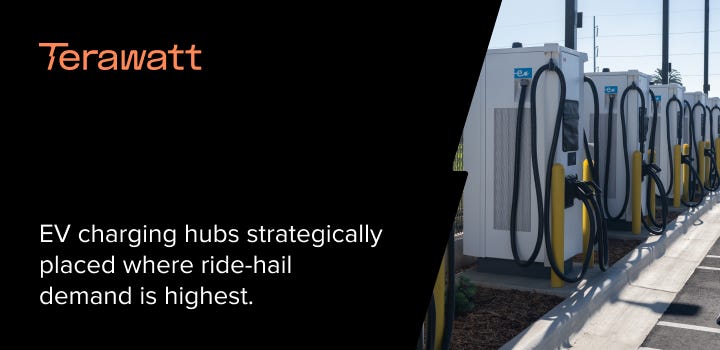
We are excited to partner with Terawatt this month, one of the leading providers of charging infrastructure. To learn more about Terawatt’s network of AV charging hubs and track record of 99%+ uptime, reach out to Logan Szidik at lszidik@terawattinfrastructure.com
What else we’re reading/listening to
Marketplace by Meghan McCarty Carino, featuring Kirsten Korosec: Robotaxis moved into the fast lane in 2025 (link).
Look Both Ways with David & Wes: The Great Autonomous Vehicle Debate + David Under Fire (link).
The Road to Autonomy by Grayson Brulte, featuring Kodiak CEO, Don Burnette: De-Risking Autonomy with Optionality (link).
‘I spent my holiday break riding Zoox around San Francisco’ (link). We found a rider who has taken 37 rides with Zoox in just one month.
A Deep Dive into Waymo’s CPUC Data with Dr. Matthew Raifman (link). My latest podcast episode where we discussed what Waymo’s CPUC data actually reveals about AV safety, deadheading, wait times, and environmental impact, plus how cities and AV companies can better align as robotaxi fleets scale.
AVs/Humans behaving badly
A delivery robot has been demolished by a train in Florida after it stopped on the tracks (link).
Officials showed off a robo-bus in D.C. It got hit by a Tesla driver (link, no paywall).
The bus, produced by the company Beep, was following its fixed route when it was struck by a Tesla with Maryland plates whose driver was trying to change lanes, officials said.
Man says he was hurt by a Zoox in S.F., but robotaxi company calls contact ‘unavoidable’ (link, no paywall). A man says his hand was injured when a Zoox struck his car, but the robotaxi company says he opened his door into the path of the autonomous vehicle.
Drunk driver with child in car causes multi‑vehicle crash involving 2 Waymos in Tempe, police say (link).
Waymo hit, and then ran over a deer (link). Love the comments from Redditors.
Neat Jobs
Multiple business development roles at Waymo, via Jillian Warner (link).
Machine Learning Engineer - Scene Understanding at Zoox (link) via Samson Timoner.
You can check out our new AV job board where we post all of the roles we feature (link). If people like it, I will find a way to turn it into something a bit prettier.
Cool Rides
‘Finally caught a ride in a Zoox around the SF Mission! I’ve spent plenty of time in Waymos, but this is a completely different animal’ (link).
‘Waymo night ride on 101-S after a flawless SFO pickup… You make my dreams come true’ (link).
‘My first time riding in Zoox’ (link).
‘Miami Waymo driver is actually a local parrot’ (link).
Shout-outs
Big thanks to TDD readers Akos N, Sacha A, and Patrick G for referring new subscribers. If there’s someone you think would enjoy TDD, just forward this email to them or use the referral button below.
Until next week :)
-Harry