

CoMotion LA is coming to Downtown LA on November 18–19, and we’ve partnered with them to offer TDD readers a discount on all tickets.
We’re also hosting a Mobility Mixer/after-party on November 19 from 5–7 PM. If you’re in town, apply to attend here. Space is limited!
Top Story of the Week
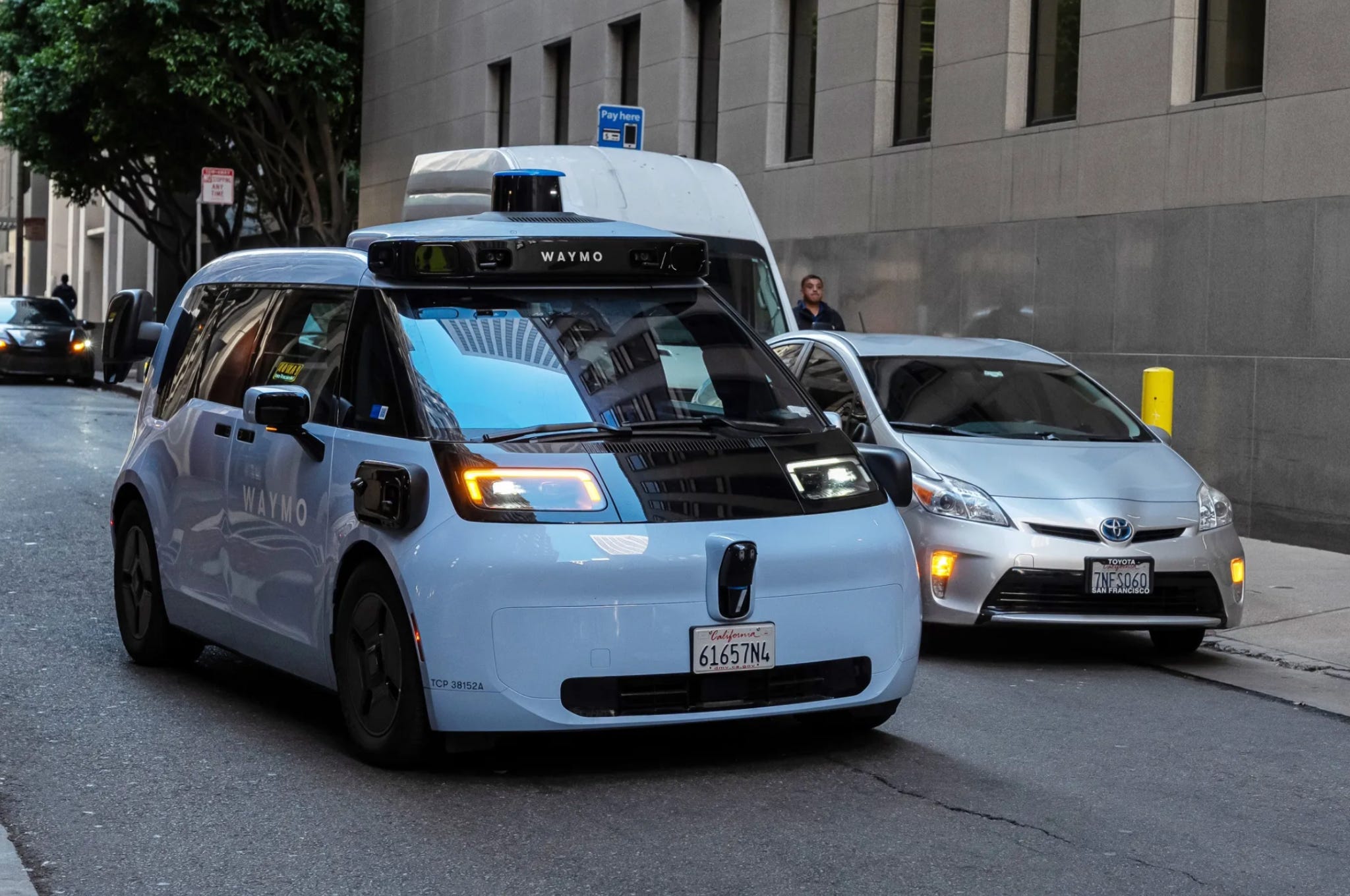
Waymo Co-CEO Says Uber App Option Was ‘Crapshoot’ for Riders (link, no paywall). Harsh words from Waymo Co-CEO Tekedra Mawakana, but I think she has a point. We’ve seen that early AV adopters are willing to pay more and wait longer specifically to ride in an autonomous vehicle, so the Waymo roulette in Austin and Atlanta never made much sense from a customer experience standpoint. Waymo has also shown how quickly it can get people to download its own app, so the convenience of booking through Uber may not be as big an advantage as many assumed either.
Interestingly, Uber says it offered to add a dedicated robotaxi option, but Waymo declined. And we know Uber is open to this approach since it already offers a dedicated autonomous tier with WeRide in Abu Dhabi. To me, the better model going forward is what Waymo and Lyft are doing in Nashville: customers can book directly through Waymo when they specifically want a robotaxi, while Lyft provides additional demand via their app, and handles fleet operations behind the scenes. This allows Waymo to maintain its direct customer relationship while tapping into Lyft’s existing rider base to improve fleet utilization during periods of lower demand.
Tekedra Mawakana said her company’s plan to end an exclusive robotaxi partnership with Uber Technologies Inc. was in response to customer feedback asking for more consistency when ordering self-driving services… An Uber spokesperson said the ride-hail company had asked Waymo about adding a robotaxi ride option for Austin and Atlanta customers to more easily select that kind of trip, but Waymo said no.
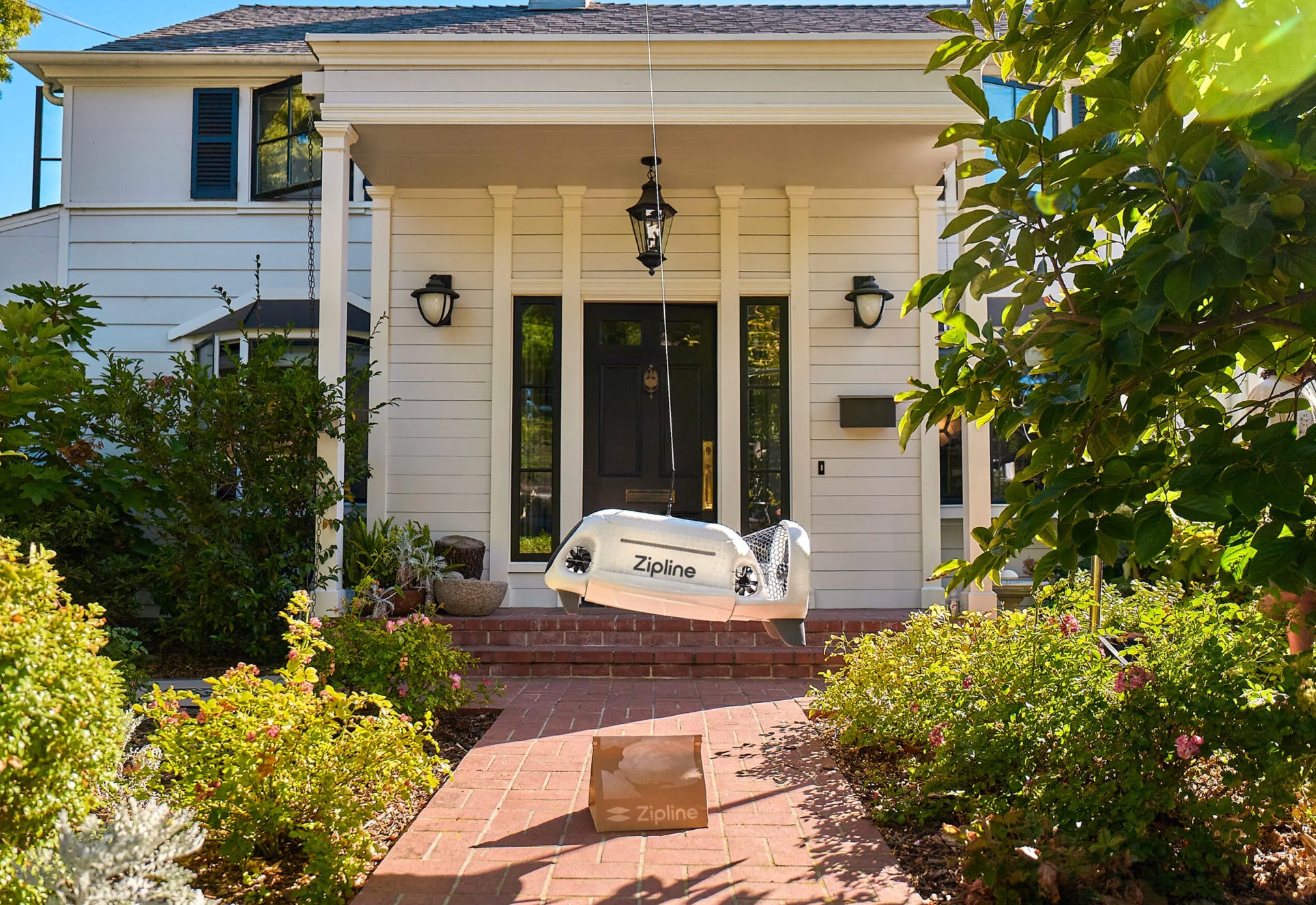
Zipline raises $1.5 billion to build nationwide drone delivery network (link). I’m increasingly bullish on drone delivery, especially given how quickly drones can get orders to customers compared to traditional ground delivery. And as Keller Cliffton pointed out on our podcast this week, one of the big advantages is that airspace is regulated at the federal level. While getting that initial regulatory approval can be more difficult, once it’s secured, companies like Zipline can expand nationwide without having to navigate a different set of aviation regulations in every city. That’s a big advantage compared to robotaxis, which have to deal with a patchwork of state and local regulations. There are still plenty of challenges to scaling, but I think this gives companies like Zipline a real advantage.
Zipline has raised $1.5 billion at a $21.5 billion post-money valuation to build a nationwide drone delivery network in the US, expanding its manufacturing facilities and ramping up hiring. The round was led by Paradigm, WCM Investment Management and Layer Global. Valor Equity Partners, Fidelity Management & Research Company, Uber, Tiger Global, J.P. Morgan, ARK Invest and Salesforce Ventures also participated.
Listen to Zipline Co-Founder and CEO Keller Cliffton on The Driverless Digest podcast as we discuss how the company built the world’s largest autonomous logistics system (link).
Investor note: It looks like there may also be opportunities for interested investors to get exposure to Zipline on the private market. Feel free to reach out if you’d like to discuss with me or learn more.
Other Stuff
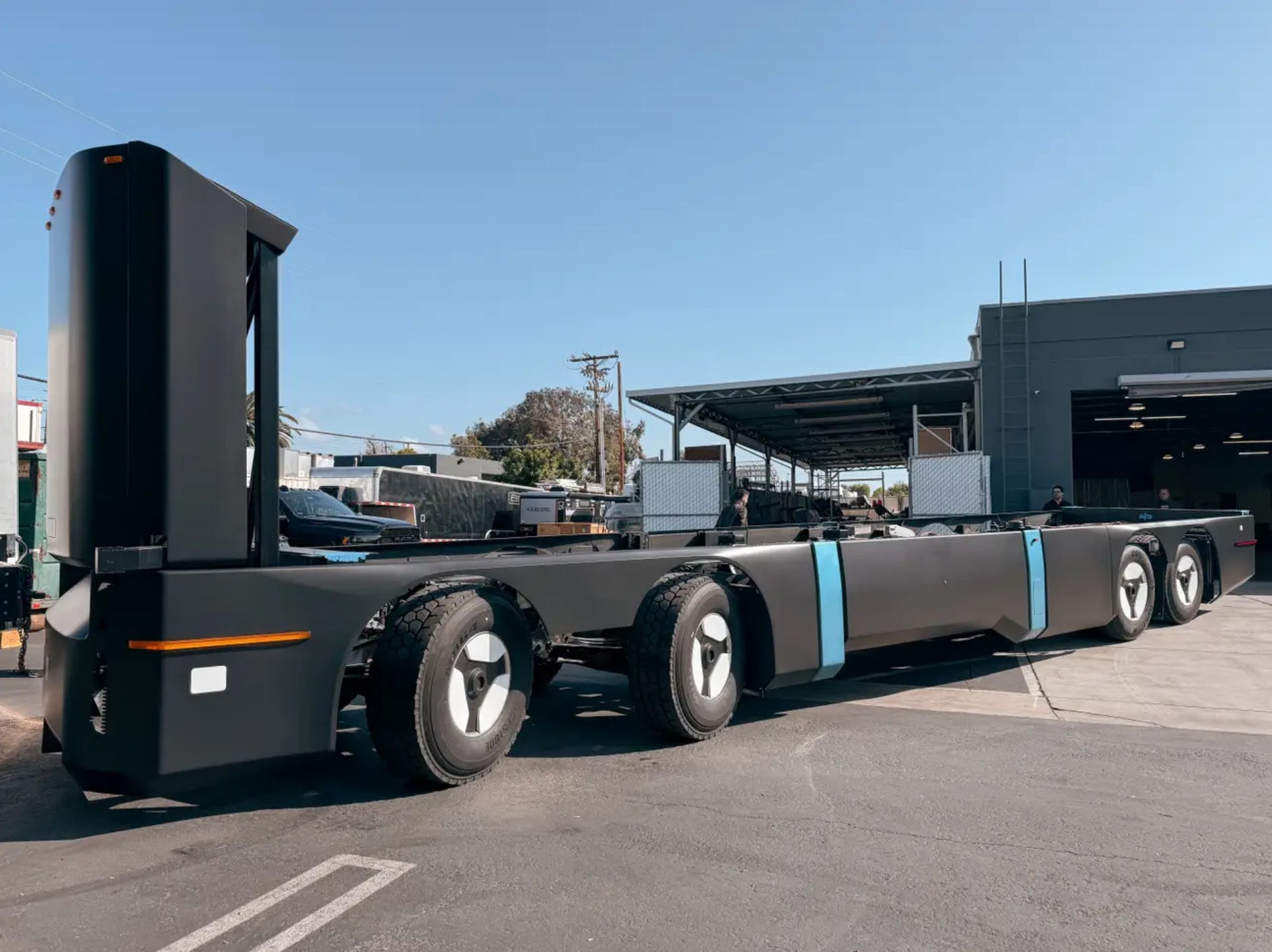
A former Apple and Uber engineer raised $51 million to rethink the self-driving truck (link, no paywall).
The San Francisco startup, which is building electric self-driving trucks without drivers' cabs, has raised $51 million, the company exclusively told Business Insider. The round was led by Obvious Ventures, with participation from existing investors Eclipse and Energy Impact Partners. It brings Humble's total funding to $75 million.
Shelling out millions, anti-robotaxi group is D.C.’s top political ad spender (link, no paywall). Pretty wild that an anti-robotaxi group has spent more on political advertising in D.C. than either of the leading mayoral candidates. Even more surprising is that we still don't know who's funding the group. With more than $2.6 million spent in D.C. alone, it raises some serious questions about who's behind the campaign and what their interests are. But I suspect this is about more than just stopping robotaxis in D.C. As the nation's capital, it's home to many of the lawmakers, regulators, and power brokers who could shape the future of autonomous vehicles nationwide. Spending millions to influence the conversation in D.C. could have an impact well beyond the local robotaxi market.
The Coalition for Accountability and Road Safety has spent more than $2.6 million on ads in the D.C. area this year, according to a Washington Post analysis of data from the ad-tracking firm AdImpact. The group’s ads oppose autonomous vehicles and a bill the D.C. Council is weighing that would legalize commercial robotaxis in the District.
Serve Robotics launches new business to become the AWS for robots (link).
Specifically, Serve Robotics will offer customers its connectivity and data tools. Bedrock Robotics, a startup developing self-driving systems for construction equipment, is a customer, according to Serve. It’s also working with T-Mobile to bring AI computing power closer to robots, Serve announced alongside its third-quarter earnings on Thursday.
Kodiak delivers first Western Star 49X trucks to Atlas (link).

We’re excited to partner with CoMotion LA ’26, which will bring together 1,200+ mobility leaders and 150+ speakers in DTLA on November 18–19. The event will tackle some of the biggest questions facing mobility today: How should LA prepare for more robotaxis and delivery bots on its streets? How can transportation investments for the upcoming Olympics deliver lasting benefits for residents? And where are mobility investors placing their bets next?
Mobility Leader passes also include full VIP access to CoMotion NXT on November 17 in Long Beach.
🎟️ Register here and use code TDD-2026 for 20% off.
Elon Musk: Tesla will be winding down production of the Cybertruck at Gigafactory Texas around the middle of next year to make room for increased Cybercab production (link).
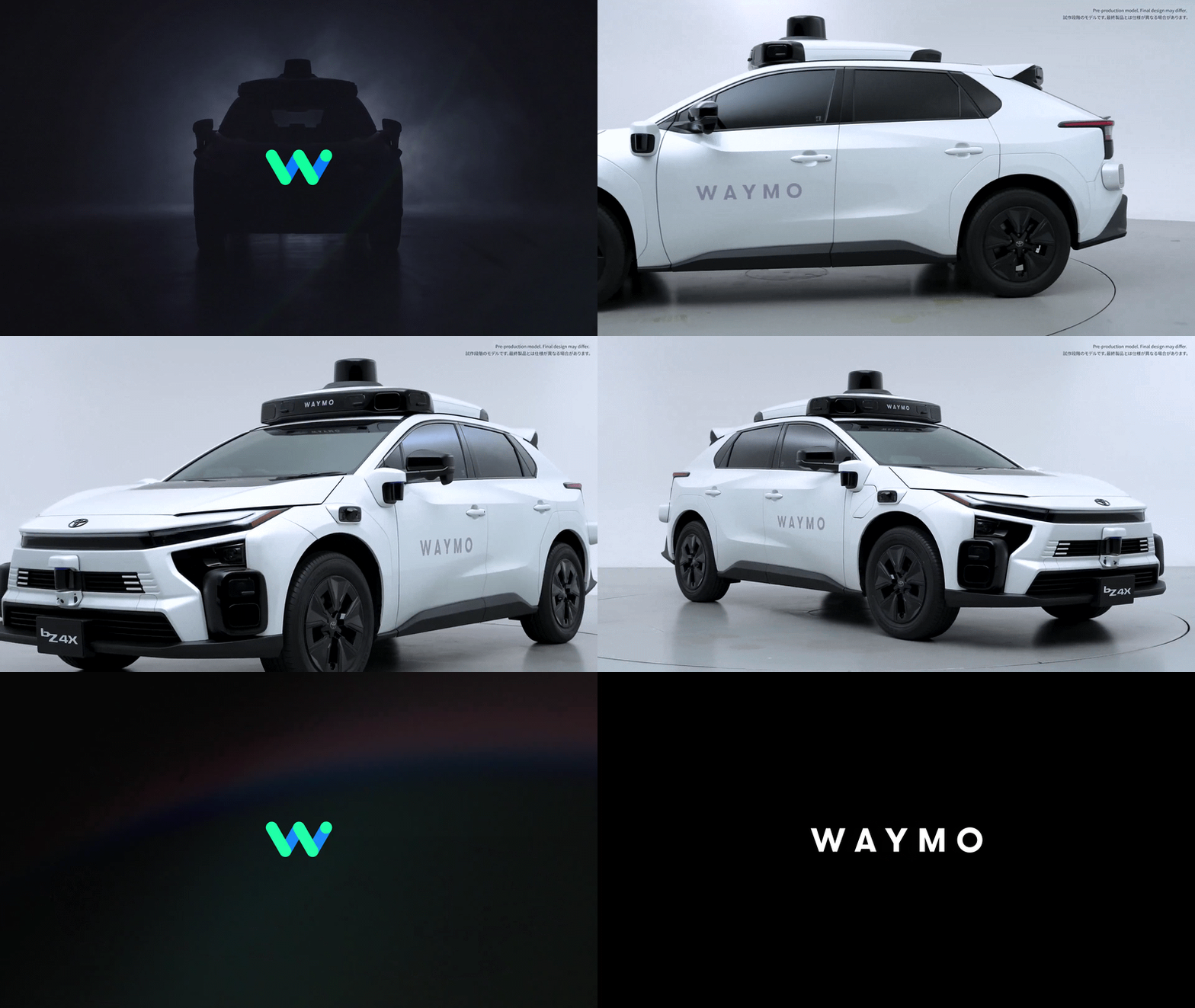
Waymo: Take a look at this rendering of our custom-outfitted bZ4X, designed for comfort and greater accessibility (link). Looks cool, kind of like a more futuristic Jaguar I-Pace.
‘UBER Q3’26 earnings are out — another strong quarter of growth and expanding profitability, with record engagement across our platform… Scaling fully driverless autonomous vehicles, with ~700 expected in 2026, 2,000+ in 2027, & tens of thousands starting in 2028’ (link).
Related: Uber’s AV Roadmap. Uber has an ambitious lineup of upcoming autonomous vehicle deployments:
November 2026: Zoox launches in Las Vegas, followed by Motional’s fully driverless deployment.
Q4 2026: Nuro/Lucid begin fully driverless testing.
Q1 2027: Nuro/Lucid launch commercial driverless service in the Bay Area.
2027: Additional deployments with Avride and NVIDIA (initially supervised for NVIDIA).
2028: Rivian begins supervised AV deployments, with fully driverless operations planned later.
Uber is targeting more than 2,000 fully driverless vehicles on its platform by the end of 2027, up from around 700 expected by the end of 2026.
Avride CEO Dmitry Polishchuk: Testing fully driverless mode (link).
‘Waymo is now allowing employees to test freeway rides in their new Ojai vehicles’ (link).
David Zipper: In my keynote at the California Transit Association’s annual meeting, I argued that cities have a narrow window to ensure autonomous vehicles enhance local transportation networks and do not degrade them (link). Some good suggestions here around congestion pricing, automated traffic enforcement, and market-based curb parking.
That said, I think cities have more time to prepare than David suggests. AVs are scaling more slowly than Uber and Lyft did because they can’t simply tap into an existing fleet of vehicles and drivers. Every robotaxi has to be manufactured, equipped, and deployed. For perspective, NYC alone has over 84,000 licensed for-hire vehicles, while Waymo’s entire nationwide fleet is only around 4,000.
And many of these issues, like congestion, traffic violations, and illegal parking, already exist with human-driven vehicles. Hopefully, cities can use the next 5–10 years to develop smarter transportation policies. Ultimately, I think cities should regulate the behavior and impact of vehicles, not just whether there’s a human behind the wheel.
Related: David Zipper on AVs, Congestion, and the Future of Cities (link).
Waymo: Built for women. Designed for peace of mind (link).
Can a pink “waddling” robot named after a dog win the hearts of Brits? (link).
Amazon drops Westborough drone delivery plan after pushback (link). Interesting contrast to the vision that Zipline shared on the podcast this week.
‘Luc Vincent, Special Advisor at Empiric Earth, introduces APEX—a data-driven testing framework designed to evaluate how self-driving systems handle rare events, jaywalkers, heavy highway traffic, and icy roads before hitting public streets’ (link).
XPENG's YOYO robotaxi receives approval for L4 demonstration operations in Guangzhou, China (link). XPENG CEO Xiaopeng He also made an interesting argument that L3 autonomy may ultimately be skipped, and that companies serious about achieving L4 need to start with robotaxis, where safety standards and reliability requirements are far more demanding than everyday driver-assistance systems (link).
Waymo: No ‘imminent plans’ to grow its San Antonio service area (link, no paywall). Waymo revealed that it operates around 100 robotaxis in San Antonio out of a 100,000-square-foot depot, but has no immediate plans to expand beyond its current 60-square-mile service area.
A $1,000 Device Enables Hands-Free Driving. But Fatal Crashes Have Prompted Scrutiny (link, no paywall).
Fresh off the line, Silver Ojai’s (link).
Waymo, robotaxis or driverless cars came up in 19 of 497 Los Angeles city meetings, or 3.8%, against 7.6% in San Francisco, via Hamlet (link).
Philly considers new tax on Uber Eats robots and Waymo driverless taxis (link).
The legislation, introduced by Councilmember Jim Harrity (D-At-Large), calls for a 5% tax on the gross cost or $0.50 tax — whichever is greater — for delivery services and 5% or $1 for transportation services such as robotaxis. Autonomous vehicles carrying freight would be taxed at a rate of 3%, based on the number of miles traveled within the city.
ACT Expo 2027 Opens Registration, Unveils Agenda Focused on Reducing Fleet Costs and Accelerating Performance (link).
AV Halloween
Tesla Robotaxi: Happy Halloween (link).
‘Atlanta friends dressed as Waymo self-driving cars for Halloween (link).
‘Someone needs to be a Cybercab Halloween Costume ASAP’ (link).
What else we're reading/listening to
Uber and Lyft Are Taking a Smaller Cut in Cities With Robotaxis (link). In our latest piece, Ben Hubbard breaks down Gridwise’s Q2 2026 AV Impact Report. He looks at how Uber and Lyft’s share of each fare, rider prices, and driver earnings have changed in five robotaxi cities and how those trends compare with the rest of the U.S.
Making Autonomous Drone Delivery Work with Zipline CEO Keller Cliffton (link). Our latest podcast where we discuss how Zipline is scaling drone delivery across healthcare, retail, and food, its partnership with Uber Eats, and what it would take to reach a million deliveries a day, among other topics.
Autonomy Insiders by Daniel Abreu Marques: Pony AI’s Playbook for Scaling Robotaxis Worldwide | James Peng, CEO Pony.ai (link).
AVs/Humans behaving badly
‘Cybercab getting the full Waymo sammich treatment’ (link).
‘They come in droves’: How robotaxis hog EV chargers in one corner of Southern California (link, no paywall).
Shout-outs
Big thanks to TDD readers at Kyte for referring new subscribers. If there’s someone you think would enjoy TDD, feel free to forward this email or use the referral button below, and we’ll make sure to shout out your company.
Neat Jobs
Operational Safety Manager at Wayve (link) via Tim Dawkins.
Senior Category Manager, IT Software & Hardware at Waymo (link) via Jared Justus.
Test & Evaluation Operator at Waabi (link) via Jaime Villalta Jr.
Mapping Ops Staff Program Manager, Real-time Disruptions at Waymo (link) via Iulia Ene.
Controls Engineer at Wayve (link) via Andreea Rădulescu.
Regional Autonomous Fleet Readiness Manager - Central at Waymo (link) via David Payne.
Multiple engineering roles at Greenlight Robotics via CEO Mathew Piotrowicz:
Founding Motion Planning & Prediction Engineer (link).
Founding Mechanical Integration Engineer - Forward Deployed (link).
Job Moves
Janani Venkatesan: Hubspot -> Atoms (link).
Matt Loncki: Hertz -> Oro Mobility (link).
Until next week :)
-Harry